Anime Sleeve Tattoo Ideas: How to Plan a Full or Half Sleeve That Actually Flows
Once you have decided on an anime sleeve, the hard part is turning several favorite moments into one design that reads as a single piece instead of five tattoos sharing an arm.
What Counts as a Sleeve
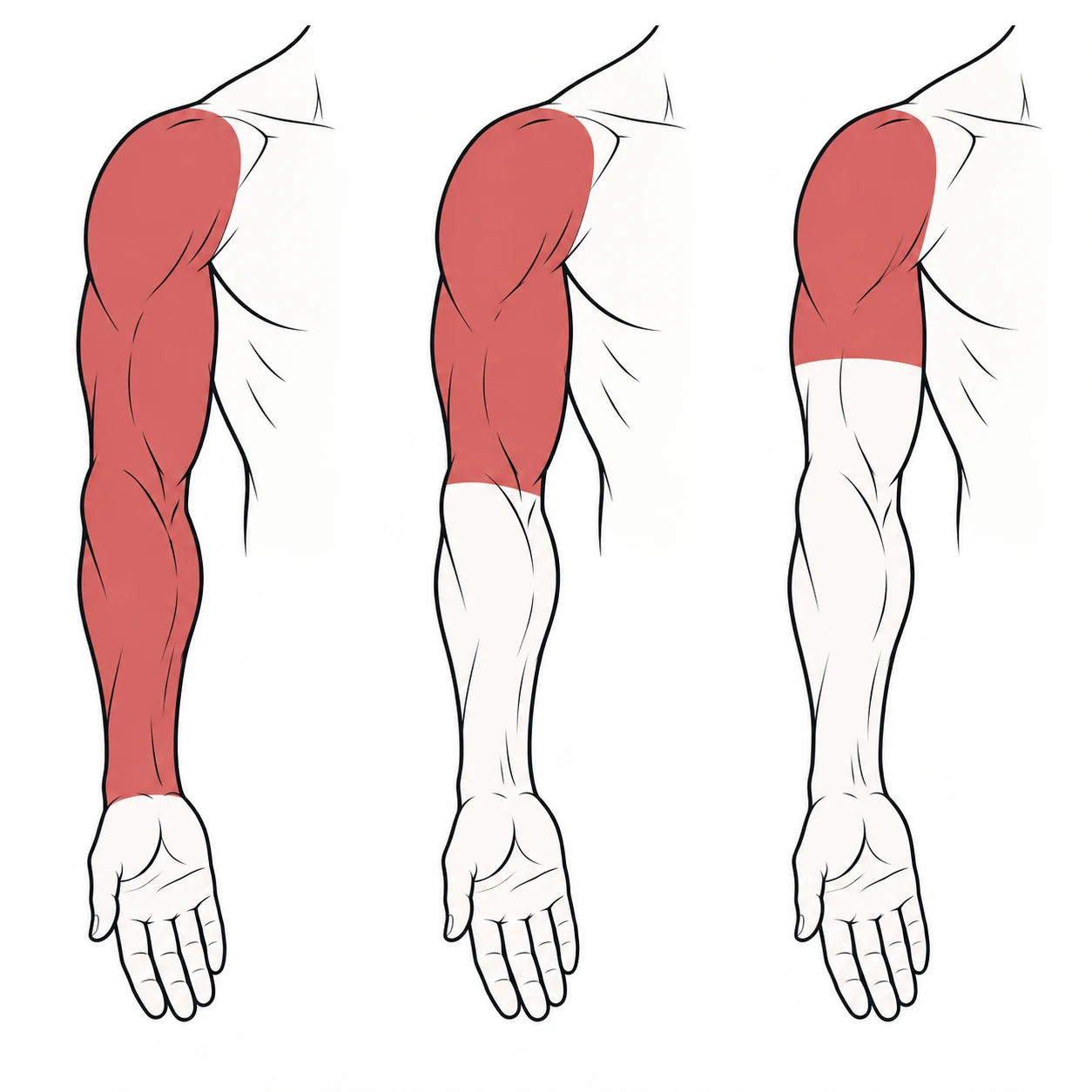
A sleeve treats the arm as one canvas. A full sleeve runs from shoulder to wrist as one design. A half sleeve covers the upper arm (shoulder to elbow) or, less often, the forearm. A quarter sleeve covers a smaller section and works best as a contained composition, not a shrunken full sleeve.
What separates a sleeve from a group of tattoos is continuity. The elements should relate through a shared palette, a connecting line or motif, or a single scene that carries from one part of the arm to the next.
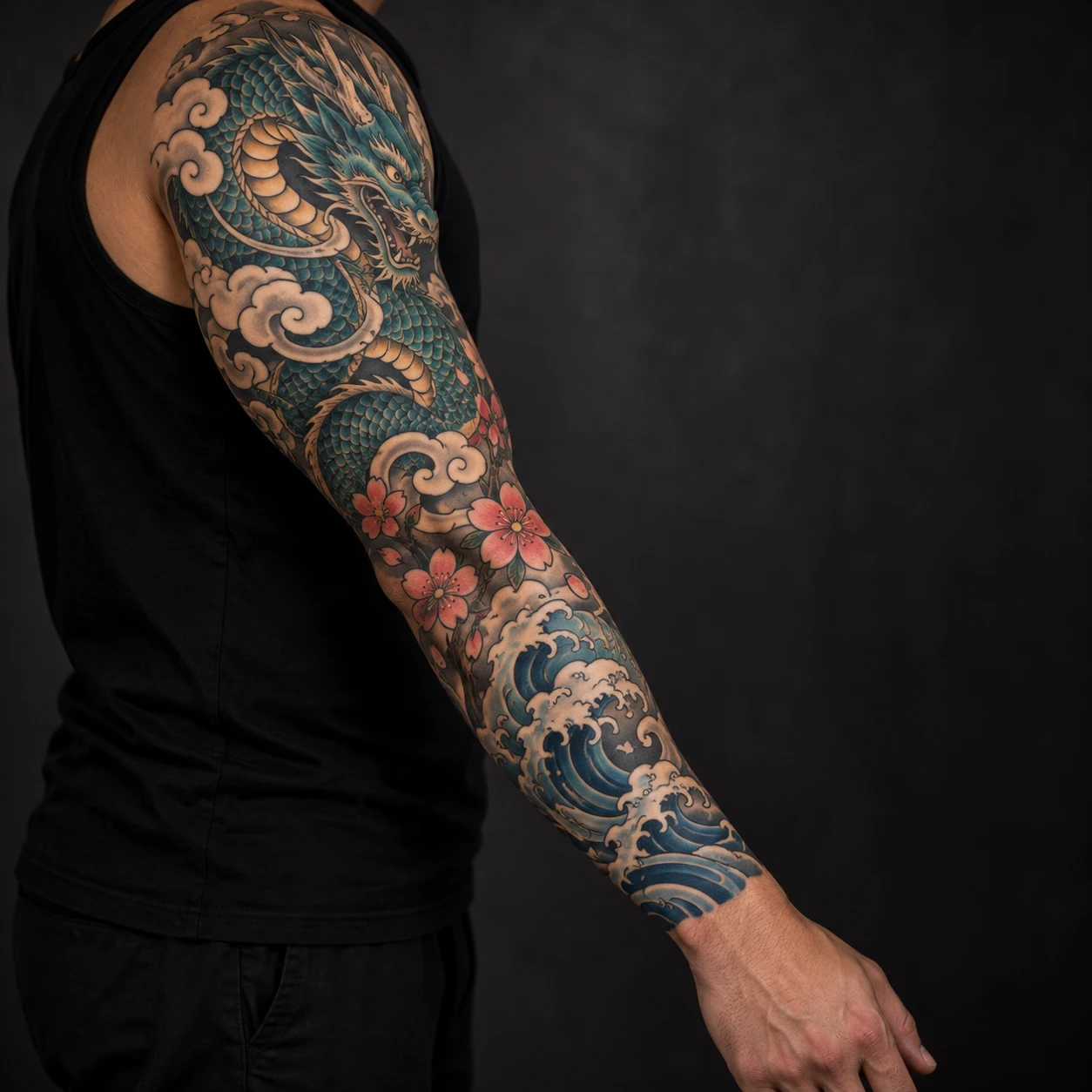
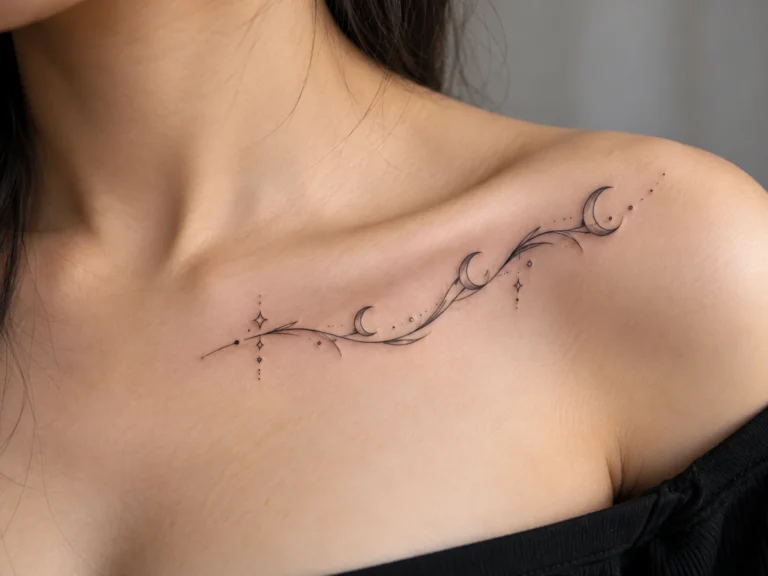
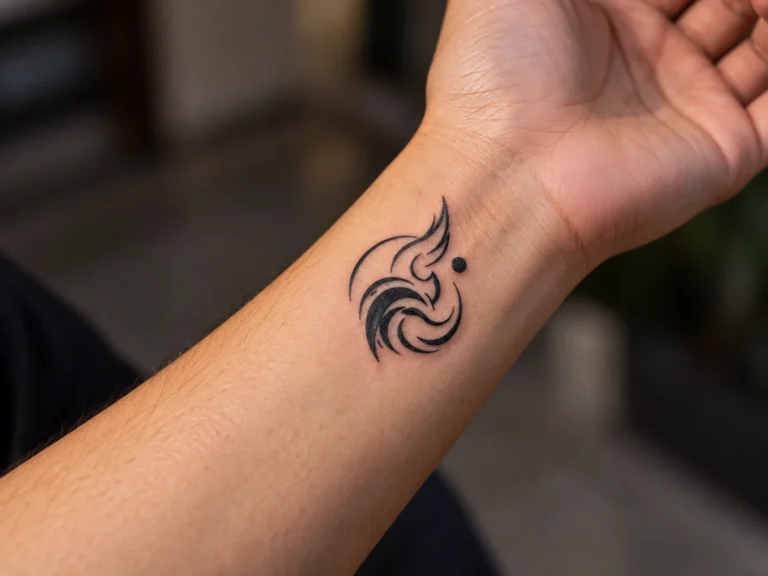
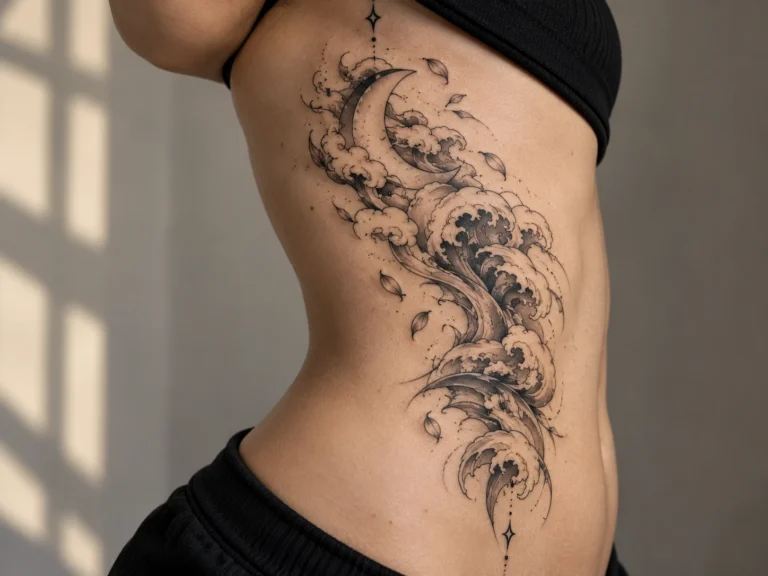
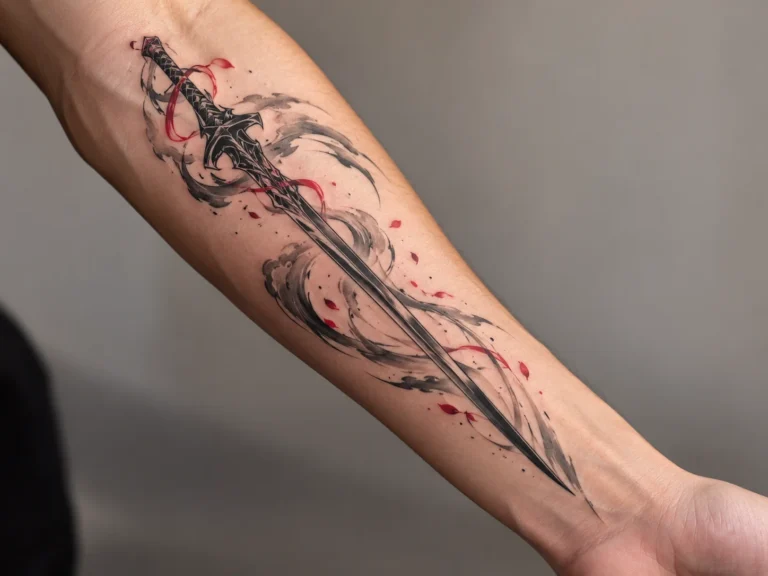
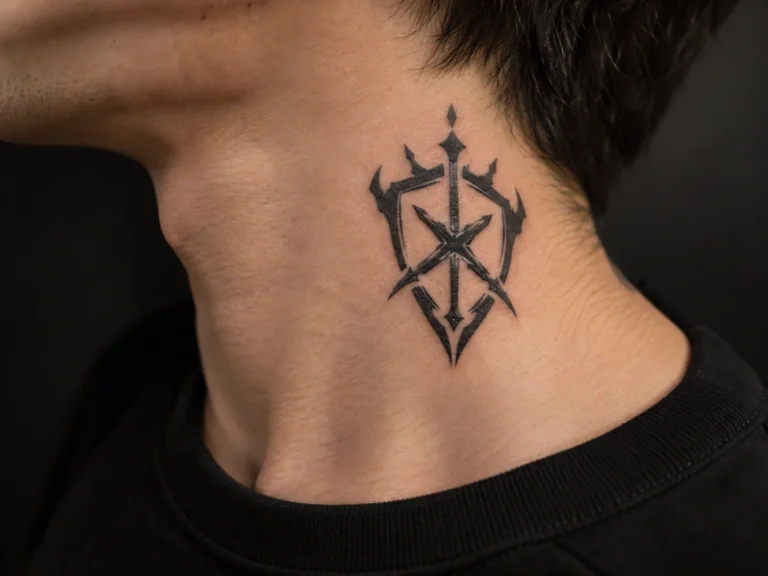
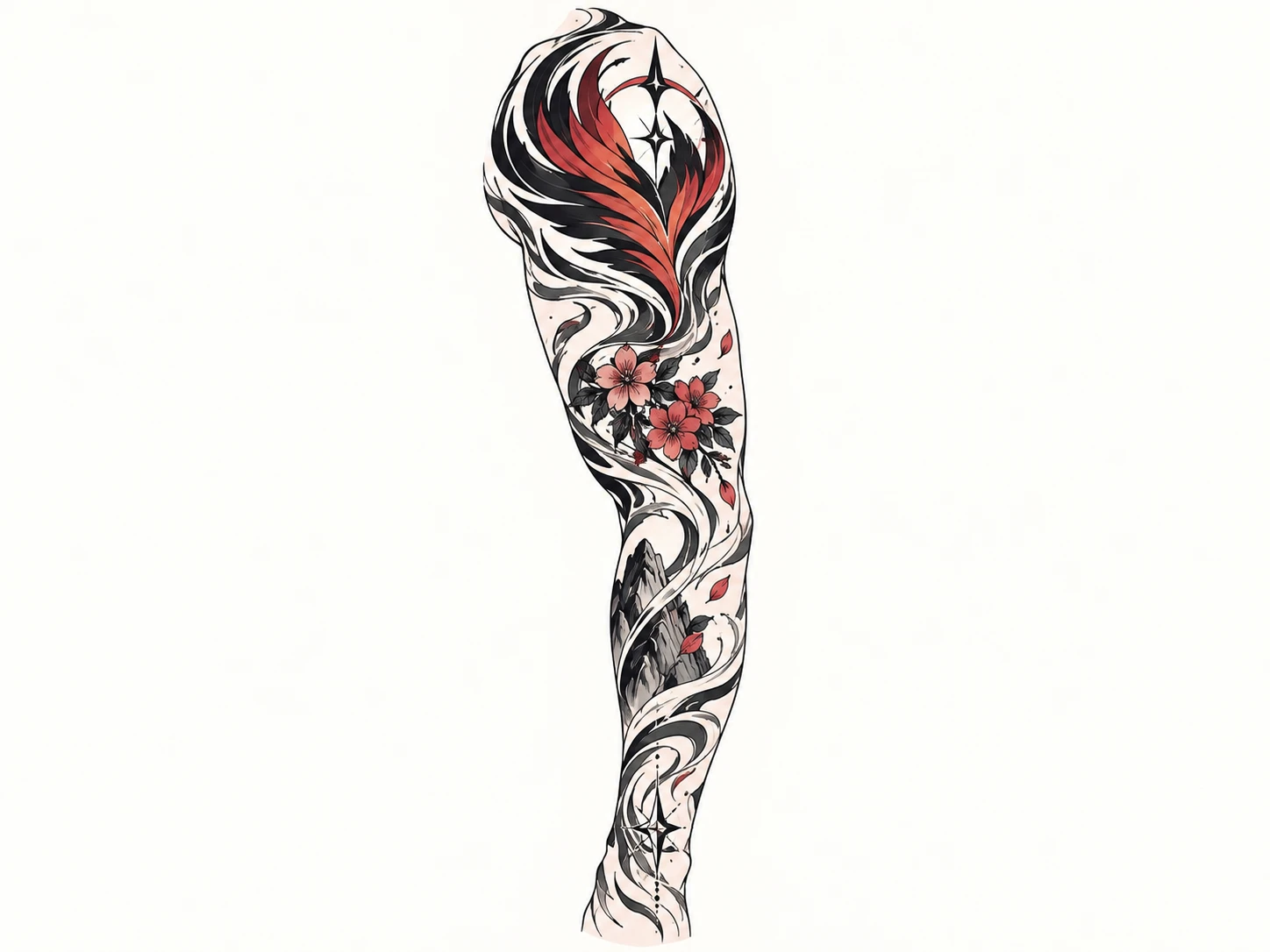
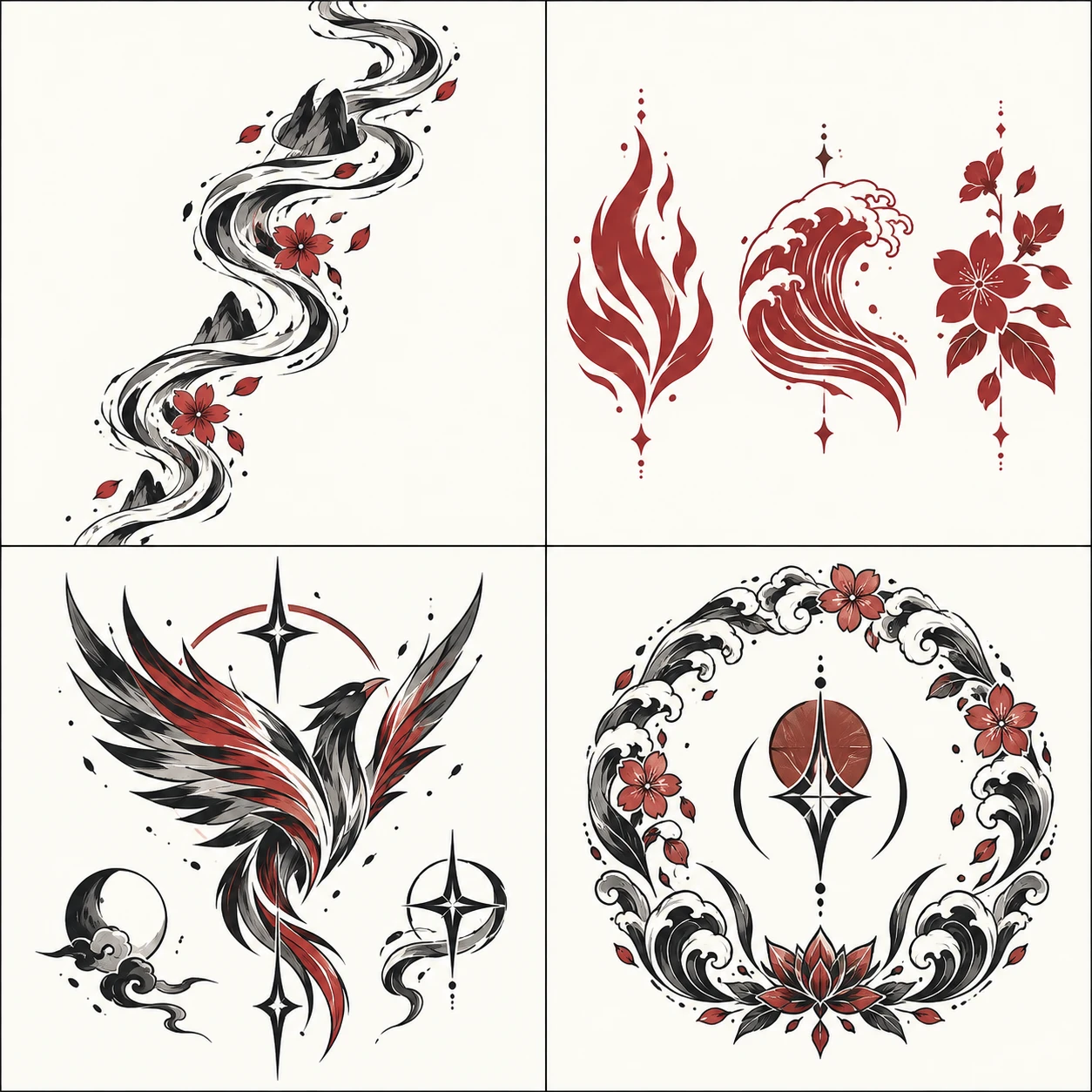
Illustrative concept images: AI-generated artwork created to explore tattoo design ideas. They do not represent verified tattoos performed on real clients.
Full, Half or Quarter: Choosing a Format
The format is a commitment decision as much as a design decision.
- Full sleeve: room for a narrative that develops down the arm. It is planned over multiple sessions, so expect it to take weeks or months.
- Half sleeve: room for one strong focal scene and a few supporting elements. For many people it is the practical way into sleeve-scale work.
- Quarter sleeve: one tightly composed idea. Forcing a full-sleeve concept into this space is what makes it look cluttered.
Your artist can estimate sessions for your actual design, and it helps to know the likely cost range before you start (see how much an anime tattoo costs).
Planning the Composition: Focal Point, Negative Space and Flow
Choose a focal point first. The eye should land on one moment, usually the largest or most detailed element, often on the upper arm where there is the most flat surface. Everything else supports it. Giving three or four elements equal weight leaves the design with no center.
Treat negative space as part of the design. Breathing room lets each element read and gives the eye a place to rest. Artists who work at large scale build it in deliberately.
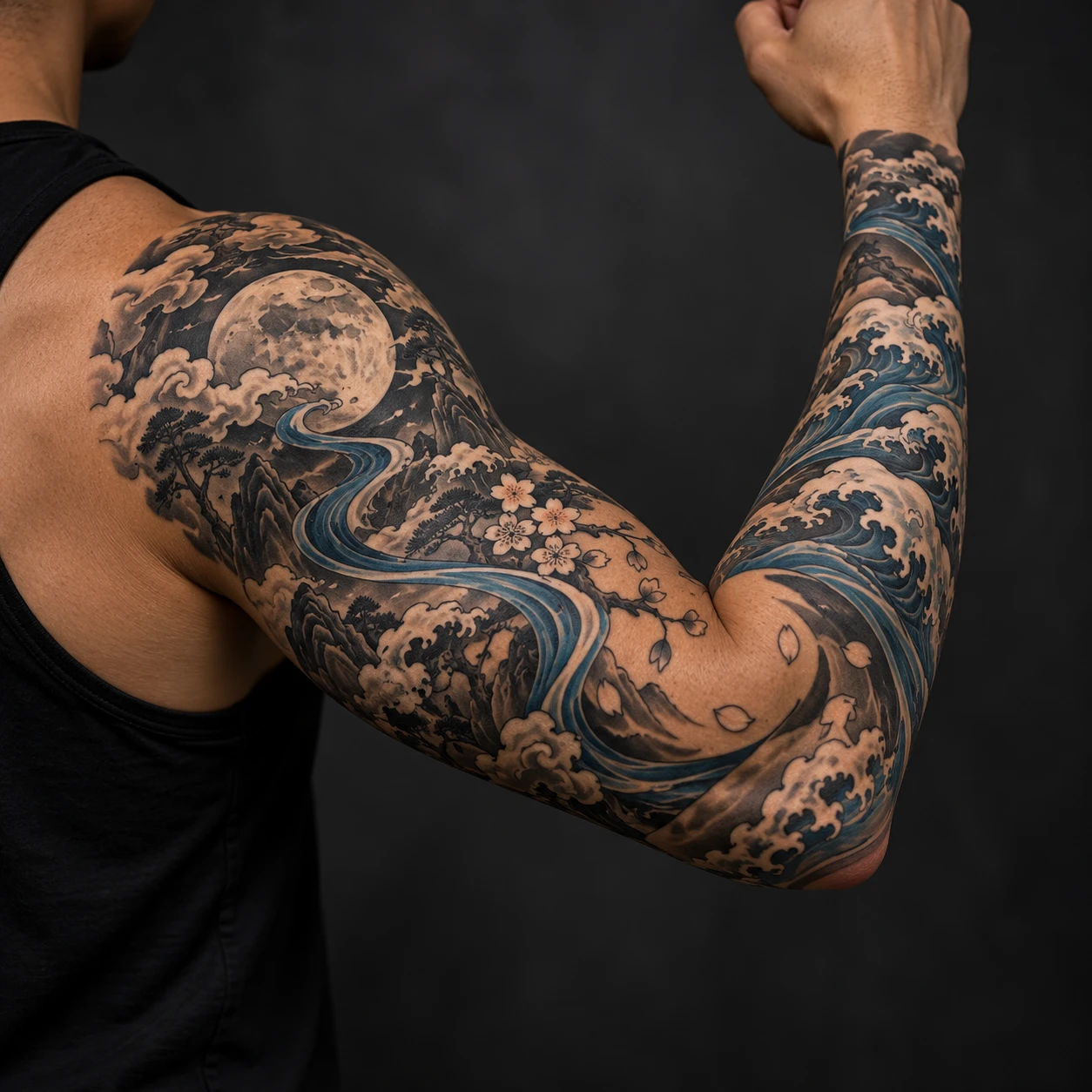
Plan flow from shoulder to wrist. A sleeve is seen from several angles and in motion. A through-line such as smoke, water, petals, fabric or a consistent line weight guides the eye from section to section.
Choose a single scene or a multi-panel layout. A single scene treats the arm as one image with the background wrapping around it. A multi-panel layout breaks the sleeve into connected sections tied together by a shared border style, palette or motif. They are different tools for different amounts of content.
Plan the elbow with your artist. It is the joint that moves and creases most, so many designers route the main artwork around it or use a simple connecting element across it. Ask how they would handle it in your layout.
One Series or Several?
A single-franchise sleeve gets cohesion largely for free, because the palette, art style and recurring symbols already match. It reads as a tribute to one story.
A mixed-theme sleeve can work, but it needs a unifying thread so it does not look like a scrapbook. Use one of these:
- one palette across all the elements
- one connecting motif, such as water, flames, flowers or geometric patterns
- one line style and shading treatment applied to every element, whatever the series
Neither route is more legitimate. The single-franchise route is easier to plan, and the mixed route lets you represent more of what you like. For franchise-specific examples of how a cast breaks into designs, see Jujutsu Kaisen and Chainsaw Man.
Aesthetics That Suit the Sleeve Format
Motifs with built-in direction, such as flowing water (see Japanese wave tattoo meaning), cherry blossoms, dragons and cloud patterns, make shoulder-to-wrist flow easier to build. Bold, color-blocked, cel-shaded compositions are readable at a distance. For a softer, wash-style approach to color, see watercolor anime tattoo ideas. Fine black-and-grey detail suits sections that will be seen up close. For how different styles handle large formats, see our manga panel tattoo ideas and realistic anime tattoo ideas pieces.
Layouts to consider
- One flowing spine. A river, a length of fabric or a trail of petals runs from shoulder to wrist with character or symbol elements placed along it.
- Limited-palette mixed sleeve. Characters from different series unified by a single black-and-grey or one-accent-color treatment.
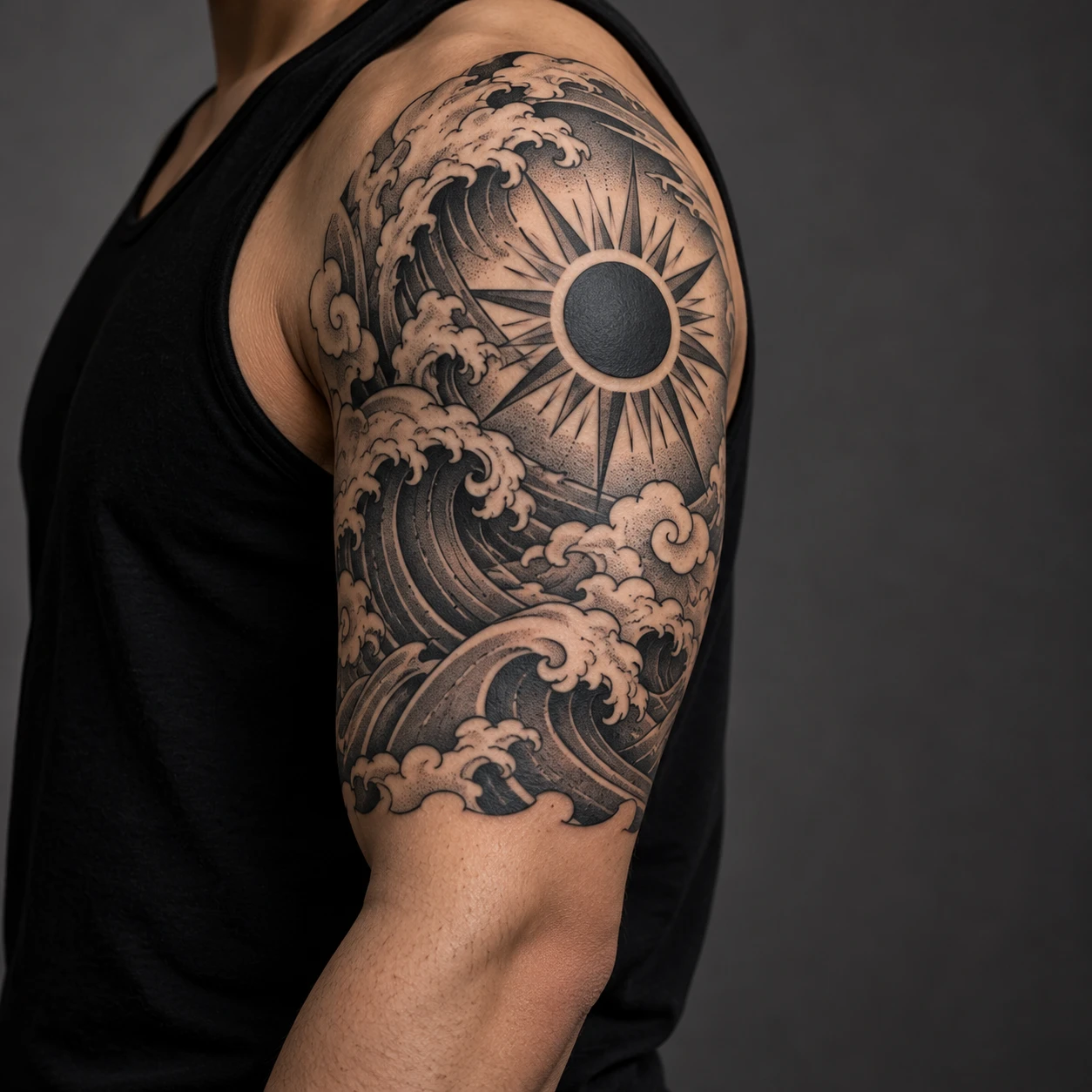
- One dominant scene. A large focal image on the upper arm with smaller, simpler supporting detail.
- Nature frame around a central symbol. A recurring natural element borders and links a few detailed focal points.
What to Settle Before You Book
- Sessions and healing. A sleeve is split across sessions, with healing time between them. Your artist sets the schedule. Read our aftercare guide before the first appointment.
- Pain. It varies by person, by area of the arm, and by how much detail and shading a section needs. Our guide on whether an anime tattoo hurts covers what to expect.
- Sun. Ink exposed to UV can fade, and the American Academy of Dermatology recommends a broad-spectrum, water-resistant sunscreen of SPF 30 or higher on tattooed skin (AAD guidance as reported by Healio). A sleeve covers a lot of exposed skin, so plan for this.
- Skin checks. Dermatologists note that a tattoo can make skin changes harder to spot (AAD on tattoos and skin cancer), so keep up with regular skin checks.
- The artist. Choose someone with large-format experience and healed examples to show. See how to find an anime tattoo artist.
- The brief. Bring a focal point, a through-line, the format and the franchise or franchises. How to design a custom anime tattoo explains how to work from references.
For where a sleeve sits relative to other placements, compare it with forearm, wrist and overall placement options, or read what to know before getting any anime tattoo.
FAQ
Is a half sleeve less painful than a full sleeve?
Pain depends more on the area of the arm and the length of each session than on total coverage. A half sleeve is not less painful per hour, but it usually means less time in the chair overall.
Can I mix two different anime in one sleeve?
Yes. It needs a unifying thread, such as a shared palette, a consistent line style or a connecting motif, so the sleeve reads as one composition.
How many sessions does an anime sleeve take?
It depends on size, detail and how you heal, but a full sleeve is normally planned over multiple sessions. Your artist can estimate based on your design.
What is the difference between a manga-style and a full-color anime sleeve?
A manga-style sleeve uses black-and-grey linework and shading in the manner of printed manga. A full-color sleeve uses the saturated colors of the animation. Color work is more vivid at a distance; both need sun protection and good aftercare.