Best Placement for an Anime Tattoo: A Full Guide by Pain, Durability, and Style
You have chosen the character, symbol or style. The next question is where it goes, and it is really three questions: how much discomfort you are prepared for, whether the design will look right in a few years, and whether the area gives the amount of detail you want enough room.
In this guide: How to choose · Small designs · Detailed designs · Placements to weigh carefully · Pain · FAQ
How to Choose an Anime Tattoo Placement
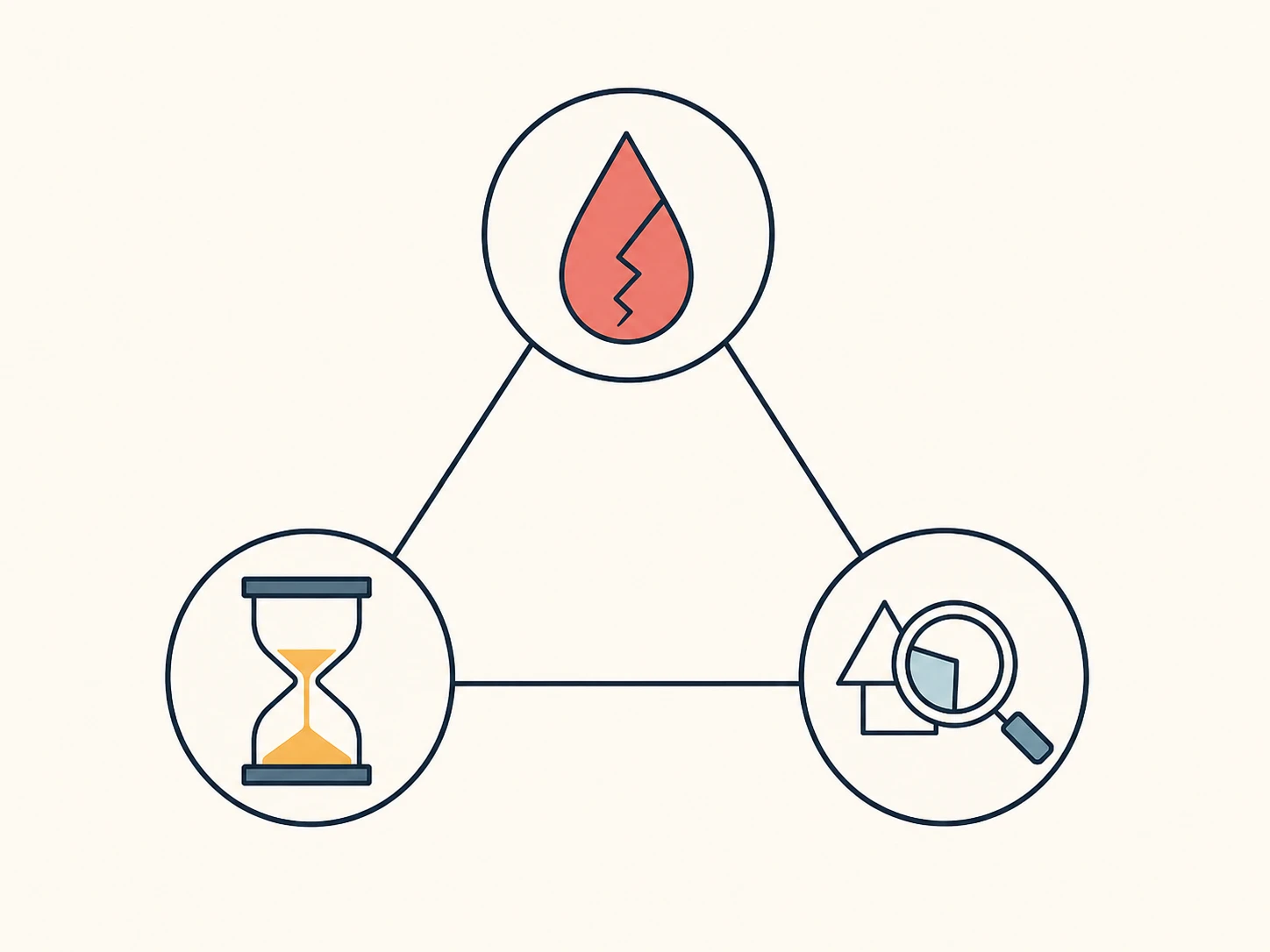
There is no single best placement, because the right answer depends on the design. A small symbol and a full-color portrait need different amounts of space, and an area that suits one will not necessarily suit the other. Weigh three things together:
- Detail fit. How much visual information the design needs, and whether the area has enough flat, stable surface to show it.
- Wear and exposure. How much the area moves, rubs, stretches and sees the sun. Ink exposed to UV can fade, and the American Academy of Dermatology advises a broad-spectrum, water-resistant sunscreen of SPF 30 or higher on tattooed skin (AAD guidance as reported by Healio).
- Discomfort and visibility. How much you are prepared to sit through, and how easy you want the tattoo to be to show or cover.
Start with the first question. Decide whether your design is minimalist or detailed, then use wear and discomfort to choose between the areas that already fit it. Choosing the body part first is how people end up with a portrait compressed until it cannot be read, or a simple symbol floating in more space than it needs.
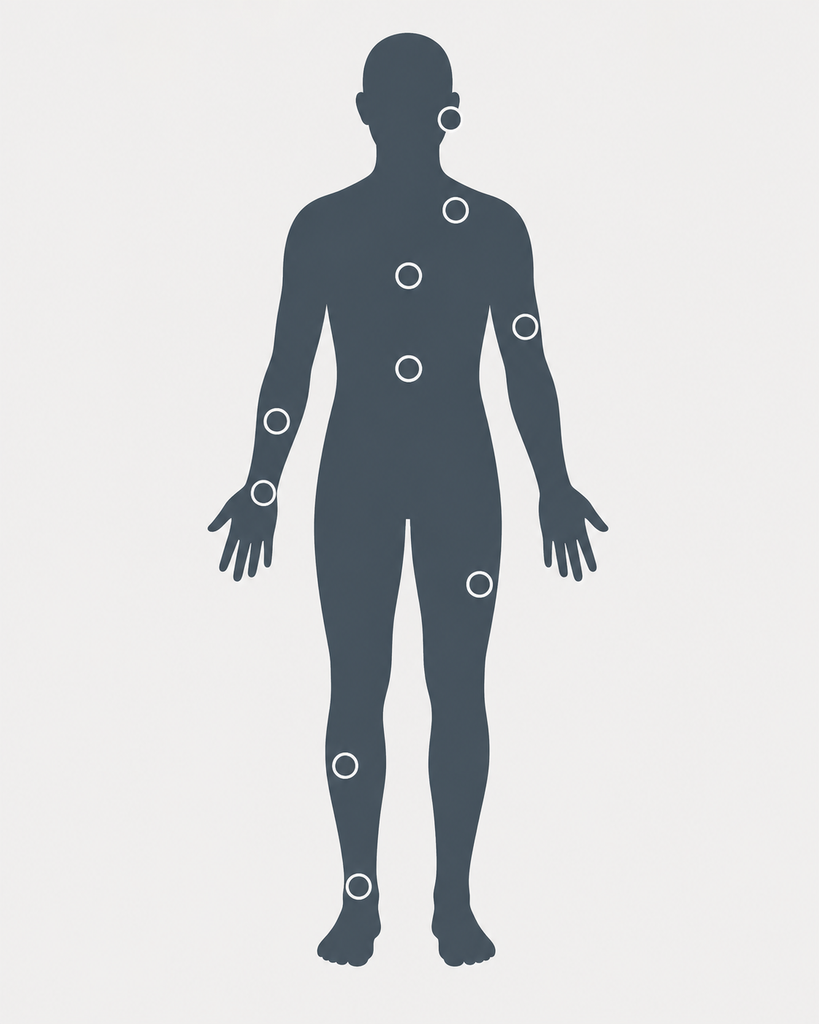
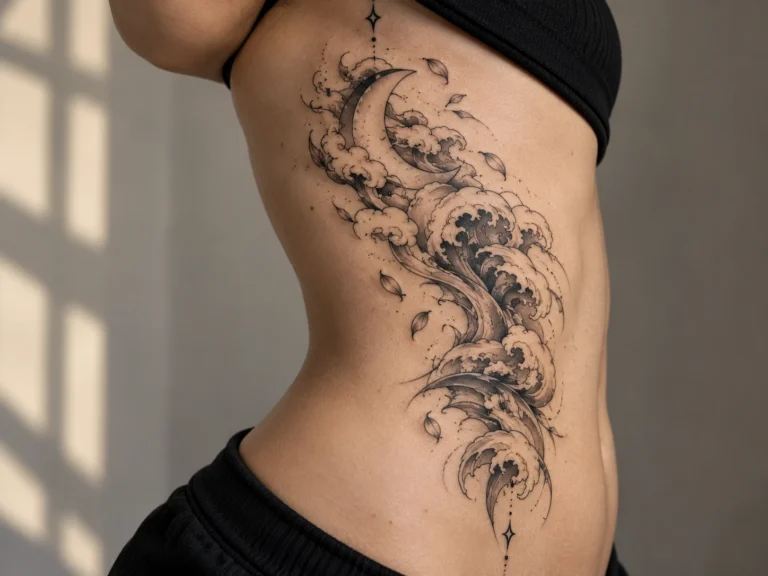
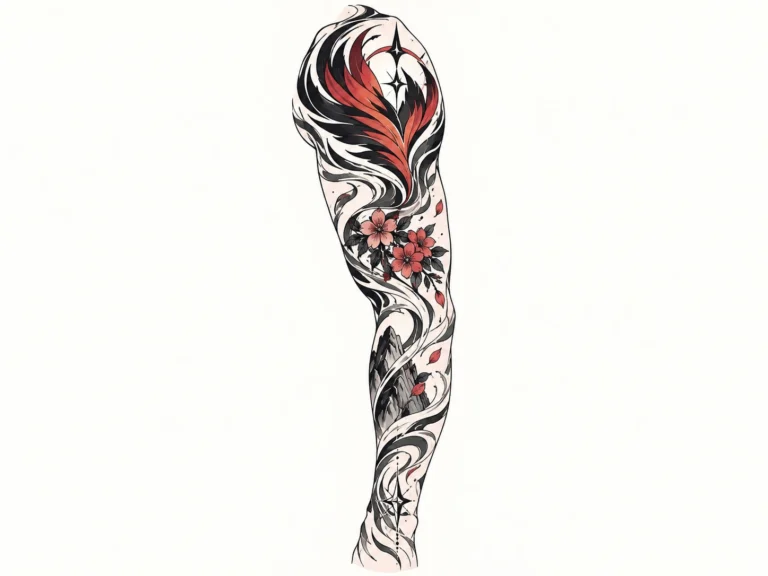
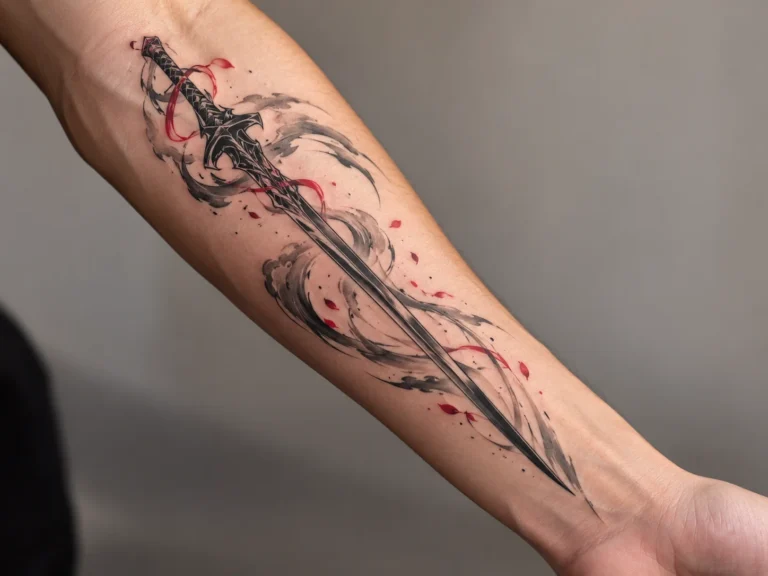
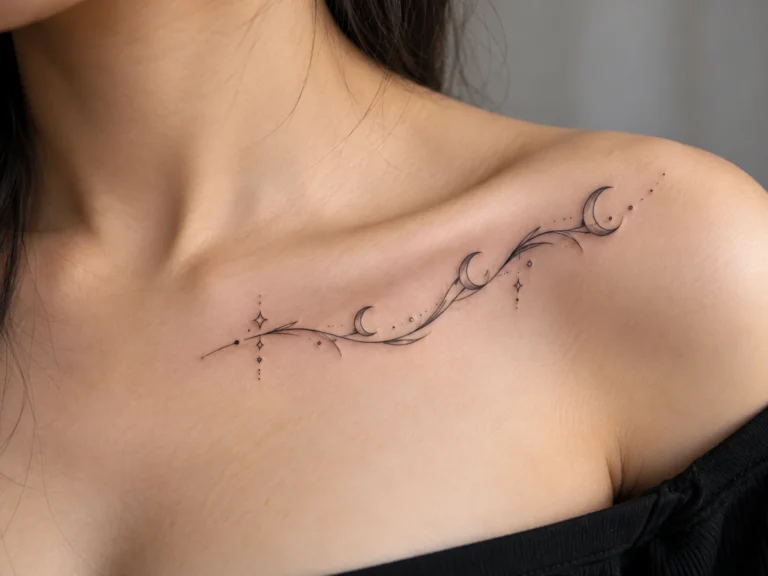
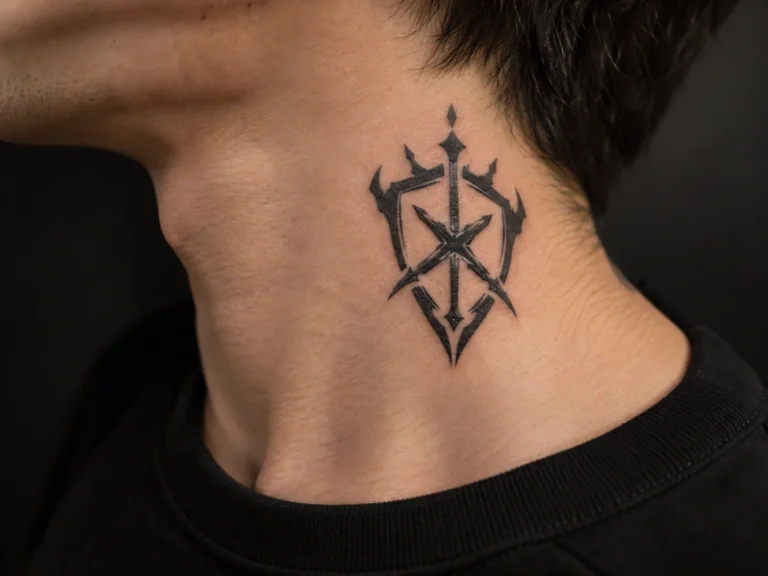
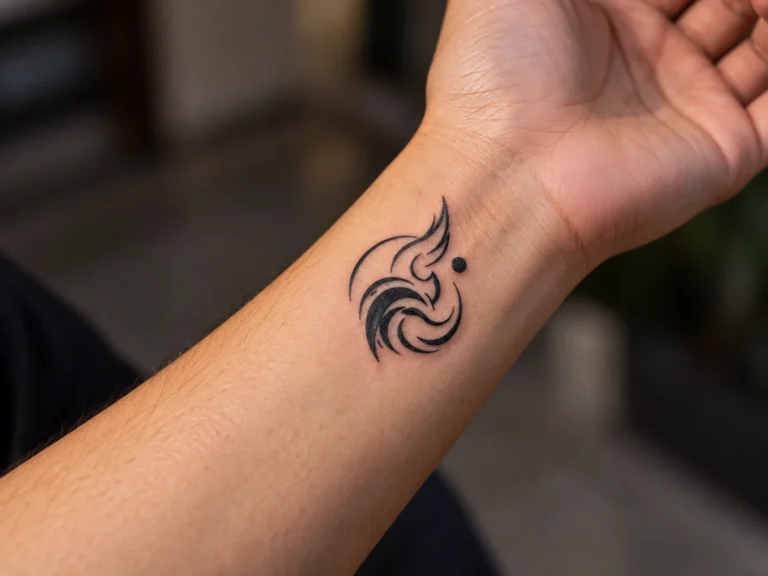
Illustrative concept images: AI-generated artwork created to explore tattoo design ideas. They do not represent verified tattoos performed on real clients.
Placements at a glance
| Placement | Surface and space | Things to weigh | Suits |
|---|---|---|---|
| Inner forearm | Flat, stable, large enough for medium detail | Easy to show or cover | Small linework up to medium detail |
| Wrist | Small, narrow, moves and creases | High visibility | Small, simple symbols |
| Behind the ear | Very small | Close to bone; easy to hide with hair | Very small, simple designs |
| Ankle | Small | Socks and shoes rub the area while it heals | Small symbols and minimalist shapes |
| Collarbone | Narrow; flatter section suits line work | Thin skin over bone | Fine-line, small to medium |
| Upper arm | Large, relatively flat, less movement than the forearm | Easy to cover | Detailed and full-color pieces |
| Calf | Long and vertical, supported by muscle | Medium visibility | Vertical character pieces |
| Back | Largest uninterrupted surface | Little joint movement; hard to see yourself | Full scenes and large pieces |
| Chest | Reasonably flat | Close to the sternum is more sensitive | Bold, central portraits or symbols |
| Outer thigh | Stable and fairly flat | Easy to cover | Large, color-heavy designs |
| Hands and fingers | Small, always in view | Frequent washing, friction and sun exposure | Bold, simple shapes |
| Feet | Small | Shoe friction and constant movement | Small, simple designs |
| Ribs | Long and narrow | Skin shifts with breathing, movement and weight change; commonly described as a demanding area | Simpler designs over fine detail |
This table is a planning aid, not a ranking. How an area feels and ages varies by person.
Best Placements for Small or Minimalist Designs
A small symbol, a simple line-art shape or anything built around a clear outline suits these areas.
- Wrist or inner forearm. The most requested spot for small anime tattoos: visible enough to enjoy, easy to cover. The inner forearm is flatter than the wrist and creases less.
- Behind the ear. Discreet, and suited to a very small, simple design. The skin sits close to bone, so some people find it sharper than the forearm.
- Ankle. A good spot for a symbol you want to see often without it being the first thing people notice. Socks and shoes can rub it during healing, so plan the first weeks.
- Collarbone. The flatter section suits fine-line designs and small to medium sizes. It is a thinner-skinned area, so it is not the gentlest option.
What these four share is a stable, fairly flat surface that lets a bold outline stay clear without carrying more detail than it was designed for. For design ideas at this scale, see small anime tattoo ideas, and for specific areas, our guides to wrist and collarbone tattoos.
Best Placements for Detailed or Full-Color Designs
A color piece, a character portrait or anything with shading and fine detail needs room, and a surface that does not stretch or fold.
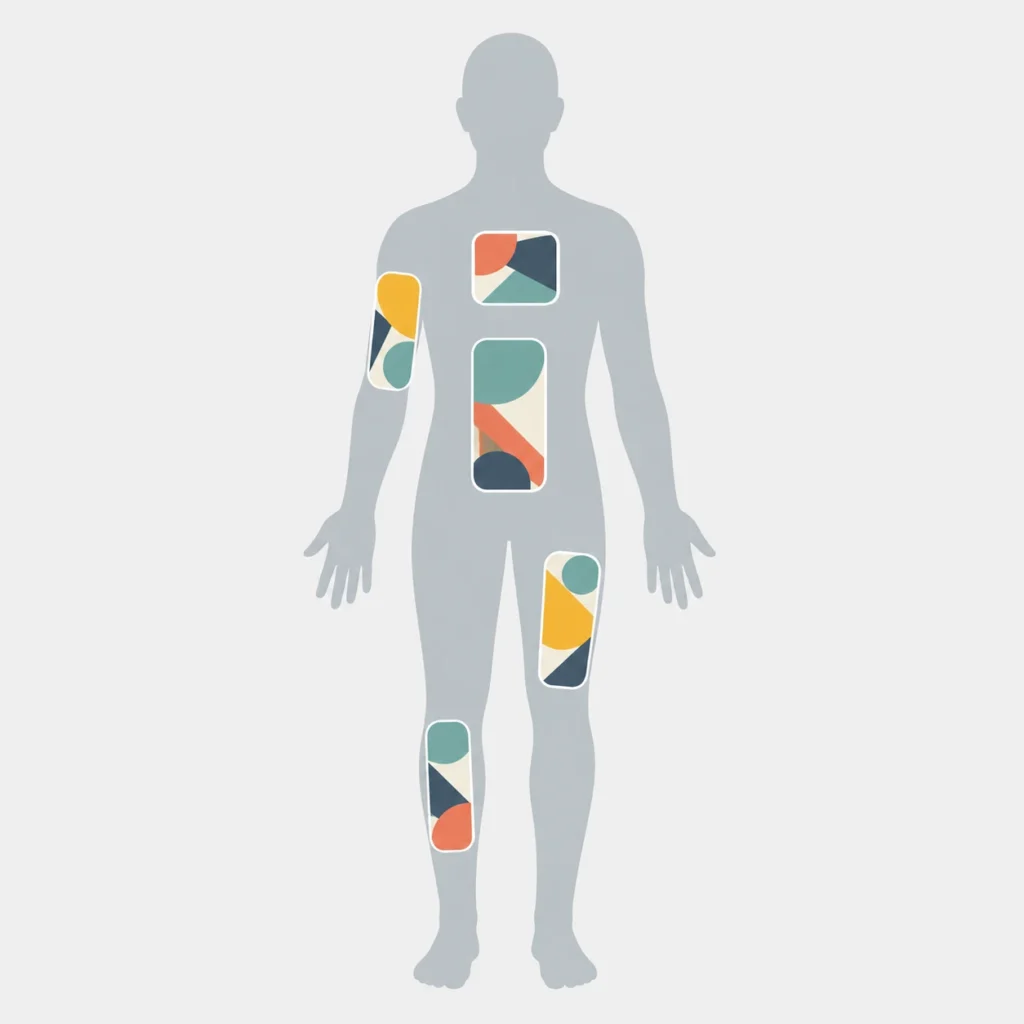
- Upper arm. A large, relatively flat area with less movement than the forearm. A good place for detailed work.
- Calf. Suits a vertical composition, such as a full character pose.
- Back. The largest canvas on the body, so the natural home for a full scene or a large character piece.
- Chest. A bold, central position for a symbolic or portrait design. Near the sternum, sessions can feel more sensitive.
- Thigh. Plenty of space for a large piece, and easy to keep covered. The outer thigh is a stable, fairly flat surface.
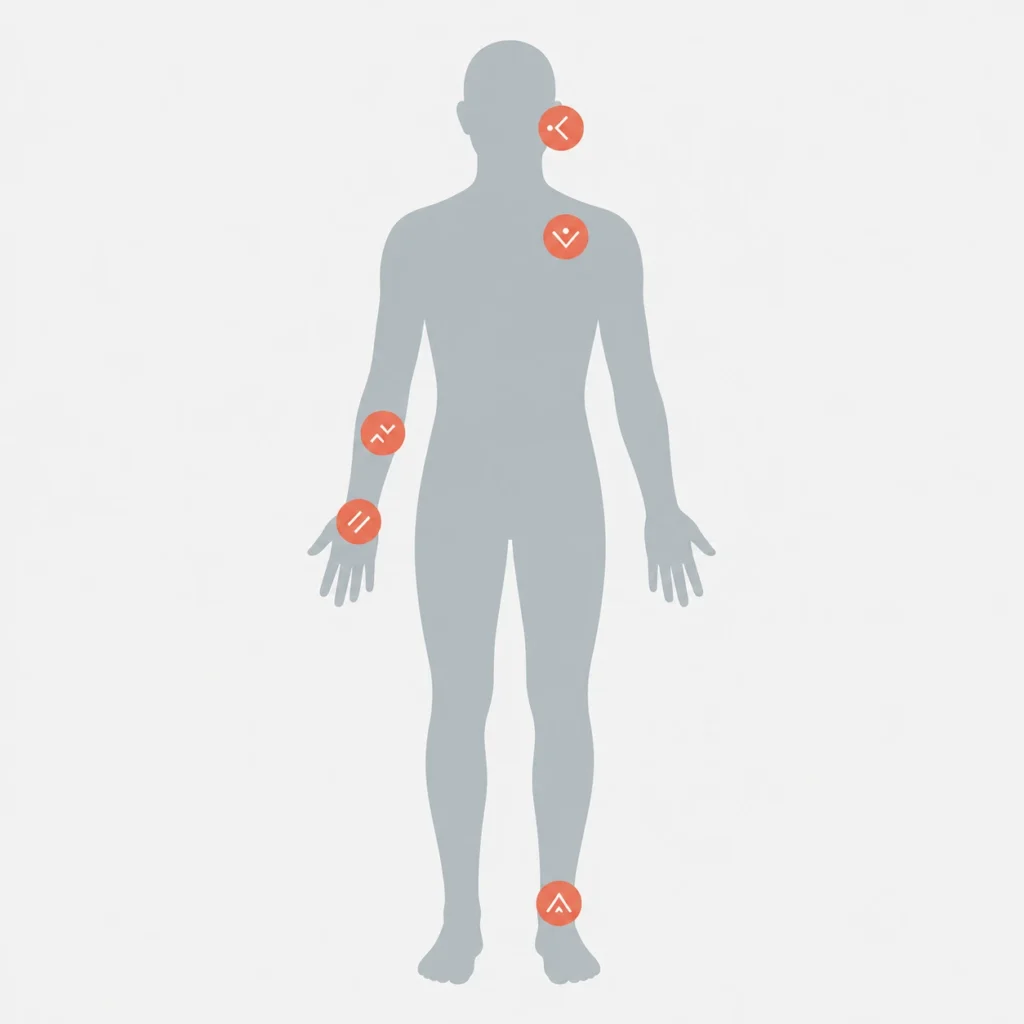
What links these is space and stability: detailed work depends on color transitions, shading and fine lines staying distinct, which is easier on skin that is not constantly folding or rubbing. A full-color portrait like the Anya design discussed in our Spy x Family guide is a good example of why this category needs room. For larger commitments, see anime sleeve tattoo ideas, forearm and neck designs.
Placements to Weigh Carefully
None of these is off-limits, and many people are happy with tattoos here. For anime-style designs, which often depend on fine detail, each has a trade-off worth knowing in advance.
- Fingers and hands. Constant washing, friction and sun exposure make this a demanding spot, and many artists advise bold, simple shapes here. We have not found a controlled study comparing fading by placement, so treat this as practitioner opinion and ask your own artist.
- Feet. Shoe friction and movement make fine detail harder to keep clean. A small, simple design suits this area better than a detailed one.
- Ribs. Thin skin over bone is commonly described as one of the more demanding areas, and the skin shifts with movement and weight changes. Simpler designs tend to suit it better than portraits.
The mistake is not choosing a demanding area. It is choosing a detailed design for it and expecting it to behave like one on a stable area. If you still want it, match the design to the area and plan for touch-ups.
Pain by Placement
Pain is personal, and we have not found an authoritative medical source that ranks body areas reliably, so we do not publish a numbered ranking. The pattern people most often report is that areas with more muscle and fat between skin and bone, such as the outer thigh, upper arm and calf, feel more manageable, while thin skin over bone, such as the ribs, collarbone, spine and the tops of the hands and feet, feels sharper. Treat that as a starting point, not a prediction.
Session length, your health on the day and the artist’s technique also matter. Our guide to whether an anime tattoo hurts explains what influences discomfort, and cites the sources we used. If discomfort is your main concern, weigh it against detail fit: a comfortable area that cannot hold your design is not the easier choice once you see the result.
Two more practical points. A tattoo can make skin changes harder to see, so the AAD advises keeping up with skin checks (AAD on tattoos and skin cancer), and it is sensible to ask a doctor about any moles near the area you have in mind. And check price and session length before choosing a large area: see how much an anime tattoo costs, how to find an anime tattoo artist and aftercare.
FAQ
What is the least painful placement for a small anime tattoo?
The forearm and outer upper arm are usually reported as more comfortable than behind the ear or the collarbone, because more muscle and fat sit under the skin. Individual experience varies.
What is the best placement for a minimalist design compared with a full-color one?
A minimalist design suits the wrist, inner forearm, ankle, behind the ear or collarbone. A full-color or detailed design suits the upper arm, calf, back, chest or thigh, which give it room to stay legible.
Is a hand or finger tattoo a bad idea for an anime design?
Not necessarily, but it is an area where bold, simple designs are usually advised over detailed ones, because of friction, washing and sun exposure. Ask your artist about your design.