How to Find an Anime Tattoo Artist: Where to Look, What to Check, and What to Ask
Knowing how to find an anime tattoo artist matters more than almost any design choice you will make. Anime art depends on confident outlines, clean color and expressive detail, and not every skilled tattooer is comfortable with that.
It stays on one decision: the artist. For the full picture of everything else you will weigh before booking, start with What to Know Before Getting an Anime Tattoo, and browse the Tattoo Guides category page for the rest of our planning guides.
Where to Look for Anime Tattoo Artists
Start wide, then narrow down. Most people find their shortlist in a few places.
Start with social platforms, where many anime fans begin. Search “anime tattoo” alongside your city, and follow tags used by artists who post their own work. Look at feeds that show finished tattoos, not only reposts.
Next, try artist directories and galleries, which list artists by style and location. They are useful for building a list, but a listing is not a recommendation, so treat each one as a starting point and check the artist’s own portfolio.
Then check local studios. Searching for an anime tattoo artist near me on a map will show shops in your area, and a studio with several artists often has someone who leans toward anime or illustrative work, even if the shop does not advertise it.
Finally, look at events and community groups. Anime and comic events often feature tattoo artists who work in pop-culture styles, and fan communities regularly trade recommendations. Ask people whose tattoos you admire who made them.
Do not limit yourself to the closest shop. A good fit is worth some travel, and many artists tour or take guest spots.
How to Tell Real Anime Work From Generic Work
Once you have a shortlist, spend time in each portfolio. Choosing an artist is mostly a matter of looking carefully, and a good anime tattoo artist portfolio shows a clear pattern.
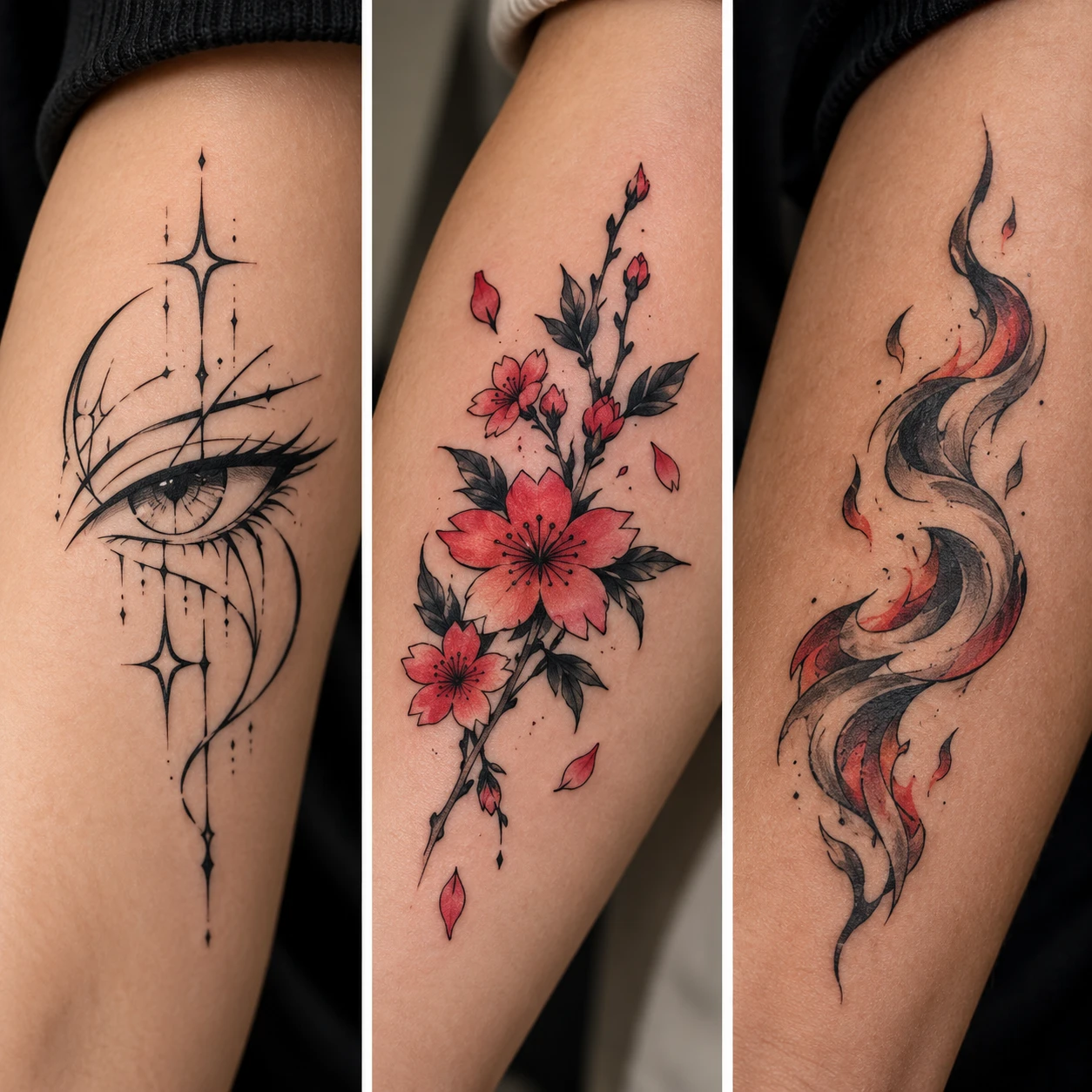
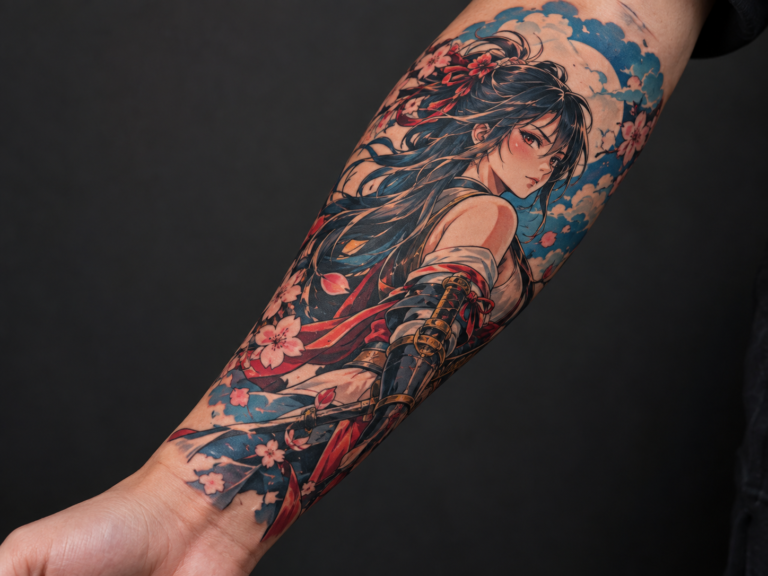
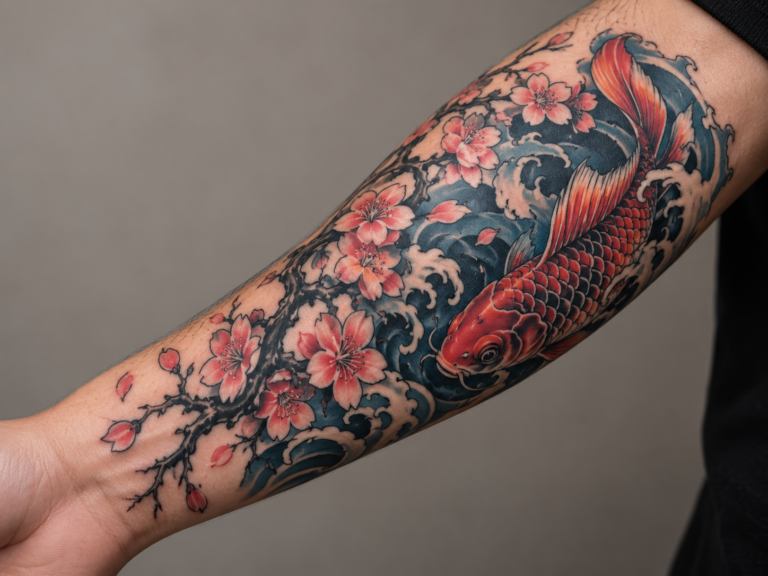
Illustrative concept images: AI-generated artwork created to explore tattoo design ideas. They do not represent verified tattoos performed on real clients.
Look for these signs of real anime fluency:
- steady, deliberate outlines, with no wobble or patchy spots
- proportions and expression that feel like the source style rather than a generic cartoon
- even color and intentional shading rather than muddy tone
- a few different subjects and sub-styles, which suggest the artist understands the form
- designs that fit the body well, a good sign of original composition
Be wary of a feed that shows only one type of piece, or work that looks traced from a photo. If the artist’s best pieces are in a style unlike yours, they may still be excellent, but they are not the right match for this tattoo. When you are deciding how to choose an anime tattoo artist, the goal is a match for your style, not simply the most famous name.
Why Healed Photos Matter More Than Fresh Ones
A fresh tattoo almost always looks sharp. Fresh photos show the day-one result, not how the work settles in over time.
Healed photos show what the ink looks like once the skin has recovered: whether lines stayed crisp, whether color stayed solid and whether fine detail held. That is the result you will actually live with.
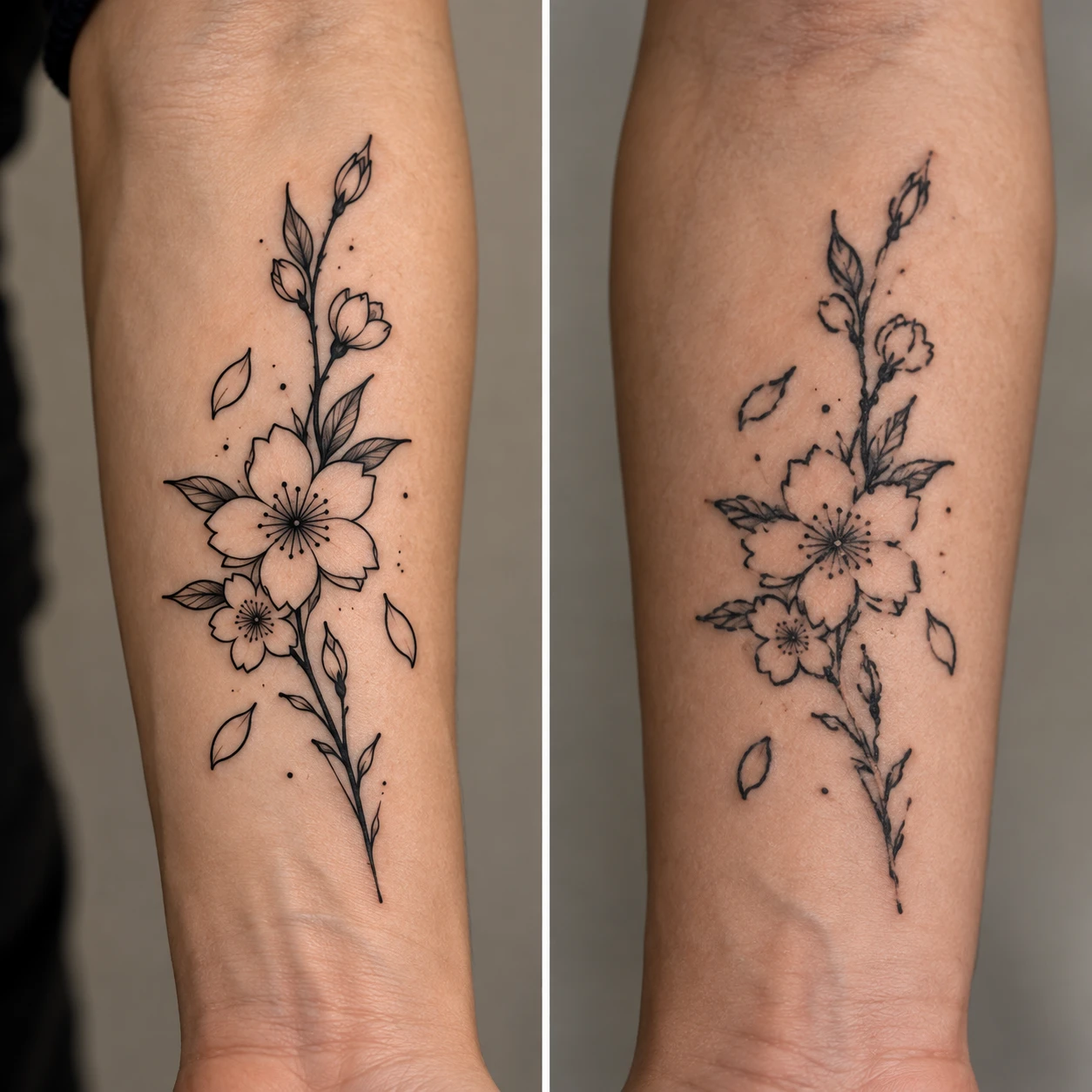
Ask directly. Many artists keep healed examples in a portfolio highlight, a folder or a separate post. If an artist only has fresh photos, ask whether they can share healed ones of similar work. A thoughtful artist will understand why you are asking. For what happens after you leave the chair, our Anime Tattoo Aftercare: The Complete Healing and Color-Care Guide explains how to care for the tattoo so it heals well.
Questions to Ask Before You Book
A consultation, in person or online, is the time to check fit. These questions keep it useful:
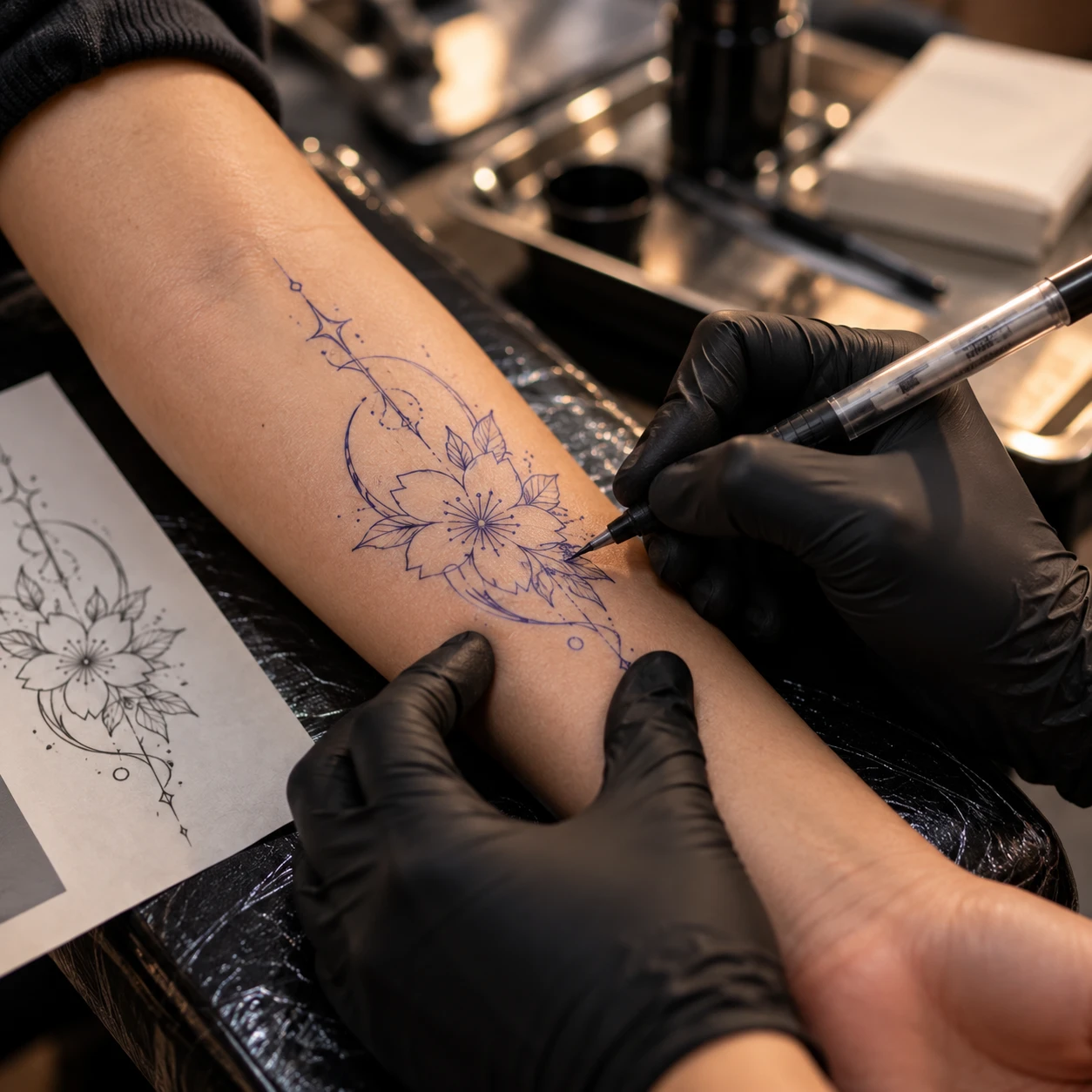
- Can I see healed examples of work like mine?
- Have you tattooed this style or subject before?
- How do you handle color matching for a design that has a set palette?
- Will the linework hold up at the size I want?
- Would you change the composition to fit the placement?
- How do you handle deposits, rescheduling and touch-ups?
- What should I do to prepare, and what should I avoid?
Listen to how the artist answers. Someone who explains their reasoning and is open about limits is a better sign than someone who promises everything. You can also ask about the studio’s hygiene practices and licensing. Requirements vary by location, so check with your local health authority for what applies where you live.
A good portfolio does not tell you whether the studio is safe. The Mayo Clinic lists the checks worth making before any tattoo, and they are easy to ask about at a consultation:
- Training and licensing. Mayo says tattooing rules and licensing vary by state, and suggests checking with your city, county or state health department for local requirements. Do not let anyone untrained tattoo you, and do not use a do-it-yourself kit.
- Gloves and hygiene. The artist should wash their hands and put on a fresh pair of disposable gloves for each tattoo.
- Single-use supplies. Needles and tubes should come out of sealed packages in front of you, and ink should go into new disposable cups.
- Sterilization. Reusable equipment should be sterilized in an autoclave (a heat-sterilization machine), and surfaces such as tables and drawer handles should be disinfected between clients.
Cities and countries set their own rules, so treat this as a baseline and check what applies where you live. A studio that is happy to answer these questions plainly is showing you something a portfolio cannot.
Red Flags to Walk Away From
You do not have to book the first artist you talk to. Step back if you notice any of these:
- pressure to book quickly or to pay a deposit before you have seen healed work
- no healed photos at all, even though the artist has years of work
- vague replies about hygiene, pricing or aftercare
- a copy-only approach, since tracing another artist’s work is a poor starting point and a good artist adapts your idea into an original design
- a refusal to adjust the design, even though anime references often need changes to work on skin
- a price that sounds too good, because very low quotes can mean cut corners, so ask what the quote includes
If something feels off, trust that feeling and keep looking. If you ever need to fix or remove work that did not turn out well, our guide to How to Remove an Anime Tattoo: Laser Removal, Cost, and What Your Ink Means for the Process covers your options, but choosing carefully now is far easier.
How to Prepare Your References for the Consultation
Good references make the consultation faster and the result closer to what you imagine.
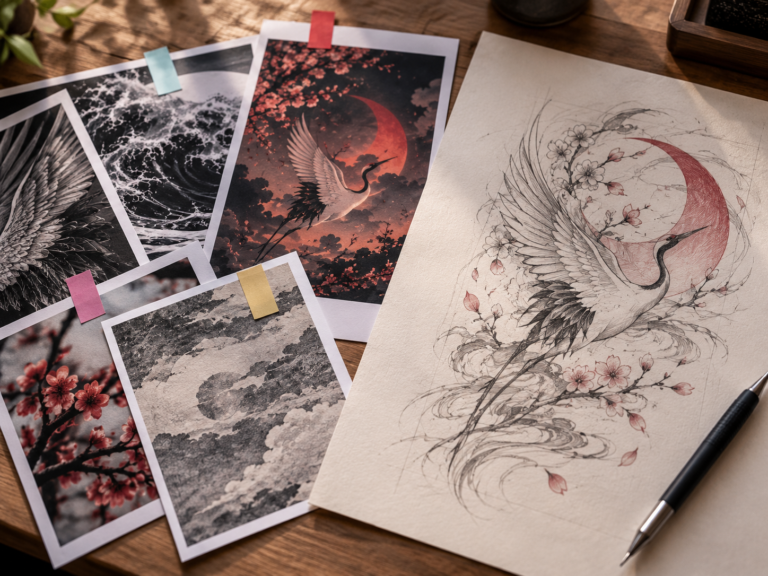
Bring several images rather than one. Include different angles if the subject has them, and note which details matter most to you, such as an expression, a color or a pose. Mark what you want kept and what you are happy to change.
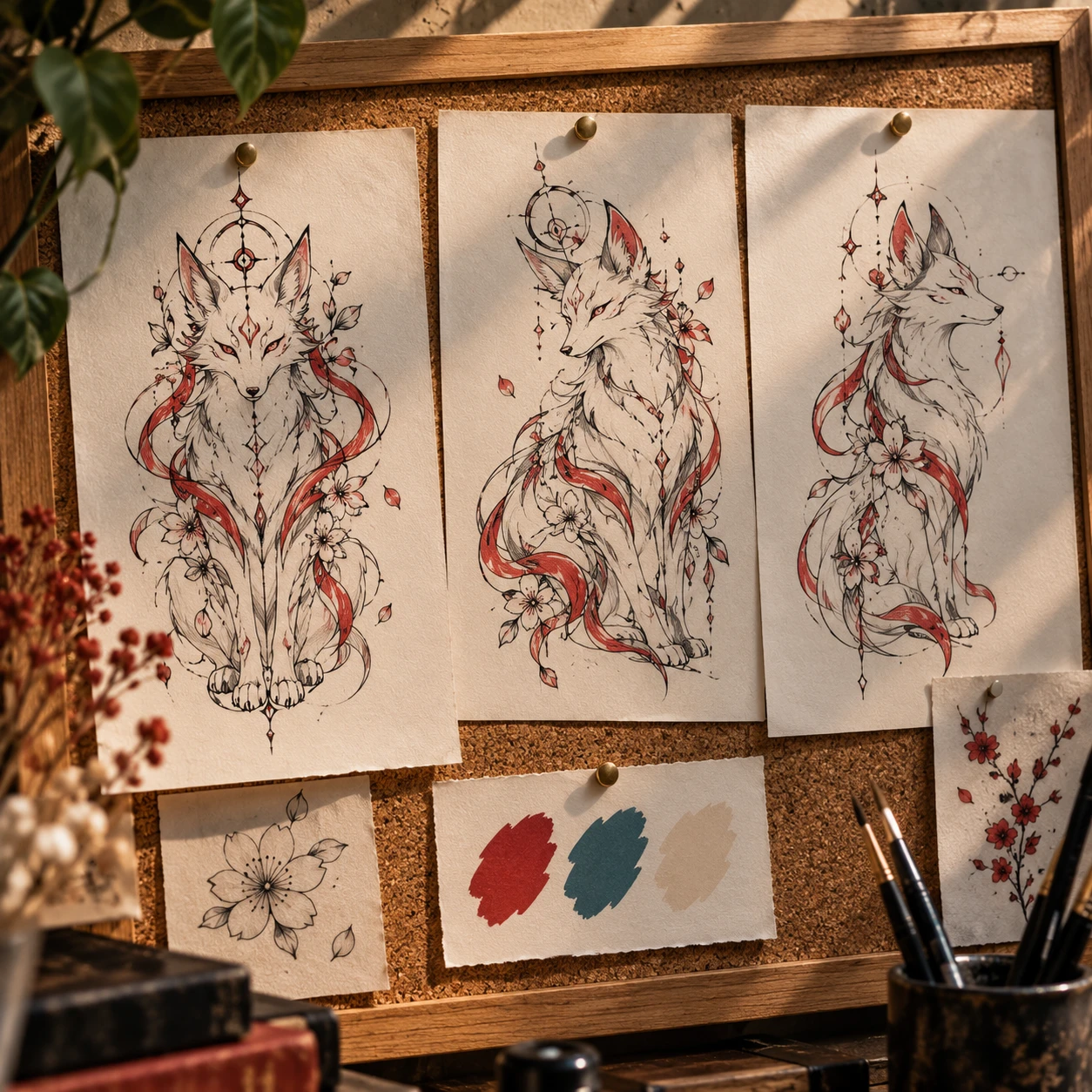
Think of references as direction, not a blueprint. A good artist will use them to draw something original that works on skin, which may mean simplifying fine detail or adjusting proportions for the placement. Be ready to talk about size and placement, since both affect what detail will read clearly.
Finally, come with a question list and a rough budget in mind. Your artist can tell you what is realistic for the idea.
This article is general guidance, not medical advice. Always consult a licensed tattoo artist about your own design, skin and health, and check your local rules for what studios must follow.
Frequently Asked Questions
How do anime fans find tattoo artists for anime-style tattoos?
Most start on social platforms and image boards, then add directories, local studio searches, conventions and word of mouth. The key step comes next: open the artist’s own portfolio, look for anime-specific work and ask for healed examples.
How much would an anime tattoo cost?
It depends on size, color, level of detail and the artist’s experience and location, so there is no single fair price. Ask for a quote for your specific design. Our guide, How Much Does an Anime Tattoo Cost? A Size, Style, and Color Breakdown, explains what drives the price.
Is $200 an hour a lot for a tattoo artist?
Rates vary widely with skill, demand and location, and an hourly rate on its own does not say much. A more useful comparison is the quote for your whole piece, including how long the artist expects it to take and what is included. Ask your artist to explain how they price their work.