What to Know Before Getting an Anime Tattoo
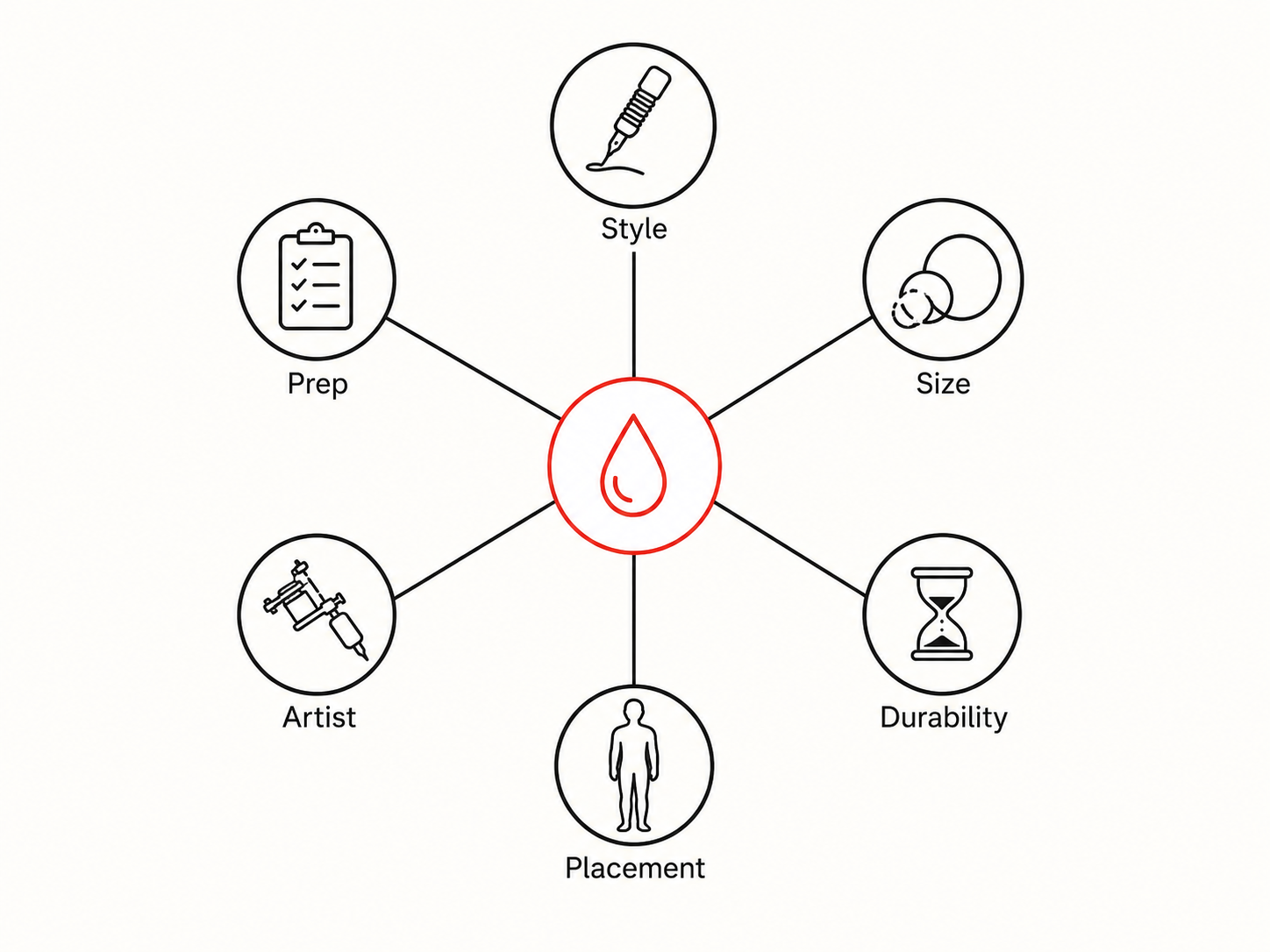
Here’s what to know before getting an anime tattoo: most advice comes down to a handful of generic tips: find a good artist, take care of it, pick something you love. None of that tells you what you actually need to decide before you sit in the chair. Getting an anime tattoo right means working through six specific choices — style, size, how long it will last, where it goes, who does it, and how you prepare — and understanding how those choices connect to each other rather than treating each one as a separate box to check.
The American Academy of Dermatology notes that tattoo placement and aftercare both affect long-term healing (source), which is exactly why the size and placement choices below matter as much as the design itself.
None of these six decisions are complicated on their own. What trips people up is making them in the wrong order, or making one without thinking about how it limits the others. This guide walks through all six, in an order that builds on itself, and points you to a deeper breakdown wherever one of these decisions deserves more than a quick answer.
Table of Contents
Table of Contents
The Real Decisions Behind a Good Anime Tattoo
There’s no single “right” way to get an anime tattoo, because the right answer depends on what you’re actually deciding between. Style, size, durability, and placement aren’t separate questions you can answer in isolation — they shape each other. A detailed, full-color design needs more space than a small symbol. A placement with a lot of movement or friction will test a design’s durability differently than a stable one. Choosing quickly on one factor without thinking about the others is how people end up with a tattoo that looked right in a reference image but doesn’t hold up, or doesn’t fit, once it’s actually on skin.
On top of the design itself, two more practical factors matter just as much: who does the work, and how you show up for it. A skilled artist and a well-prepared appointment won’t fix a design decision that was wrong from the start, but a rushed artist choice or a poorly prepared session can undermine even the best-planned design. Getting all six of these right doesn’t require expertise going in — it just requires making each decision deliberately instead of defaulting to whatever the first design idea seemed to call for.
The order matters, too. Style and size tend to come first, since they define what the design actually needs to look right. Longevity and placement follow from those, since how long something lasts and where it can realistically go both depend on how much detail and color you’ve already committed to. Artist and preparation come last, because they’re about executing a design you’ve already worked out, not about defining it.
The sections below walk through each of these six decisions on its own, with a deeper resource linked wherever the topic goes beyond what a quick overview can cover.
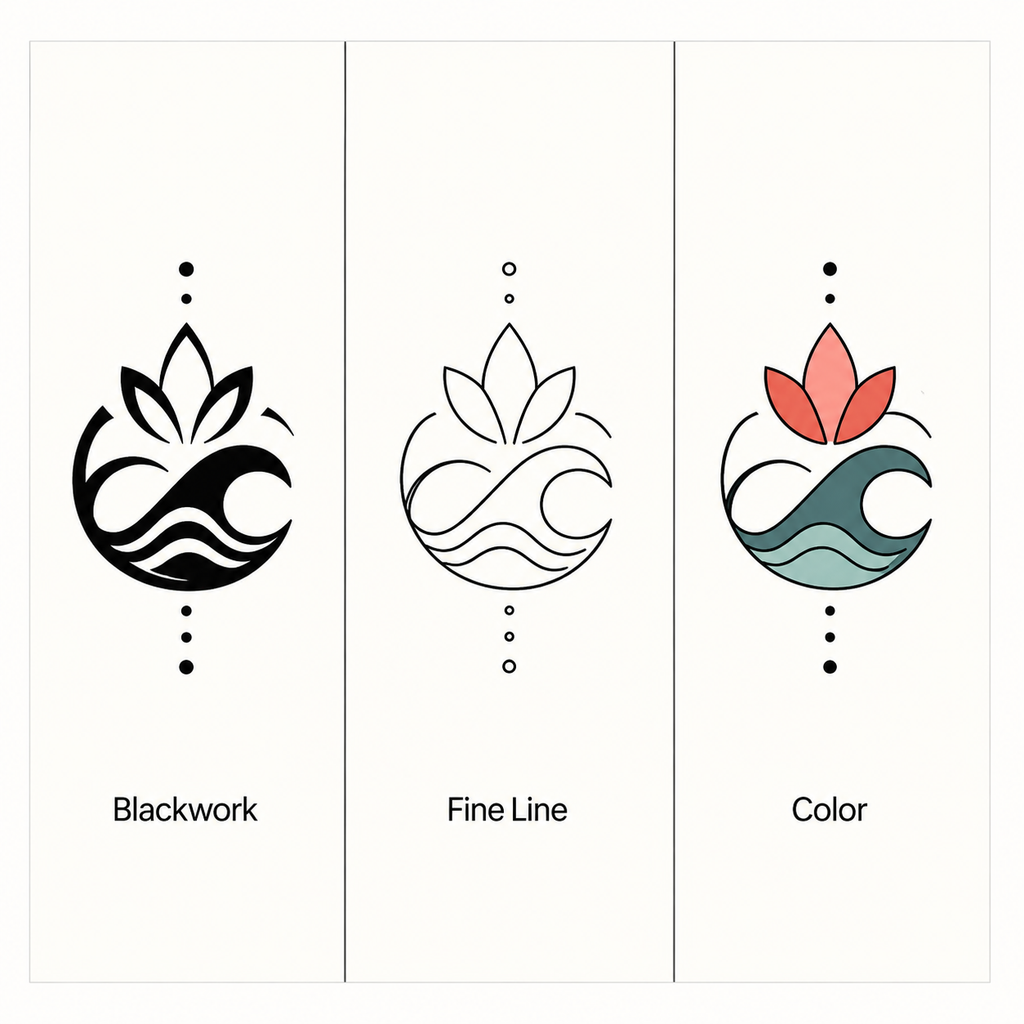
Choosing a Style: Blackwork, Fine Line, or Color
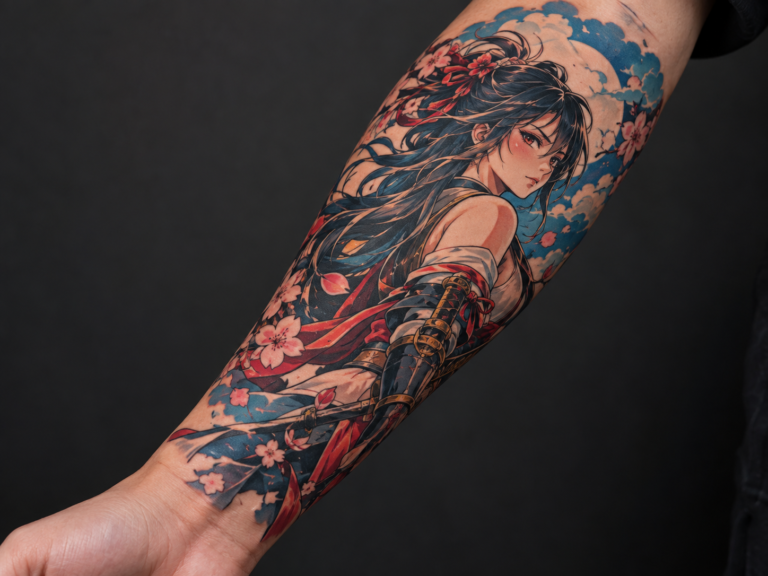
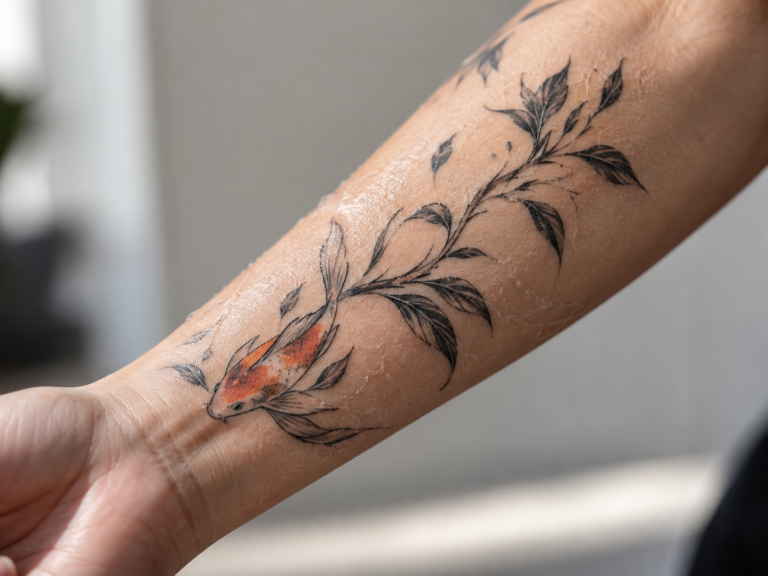
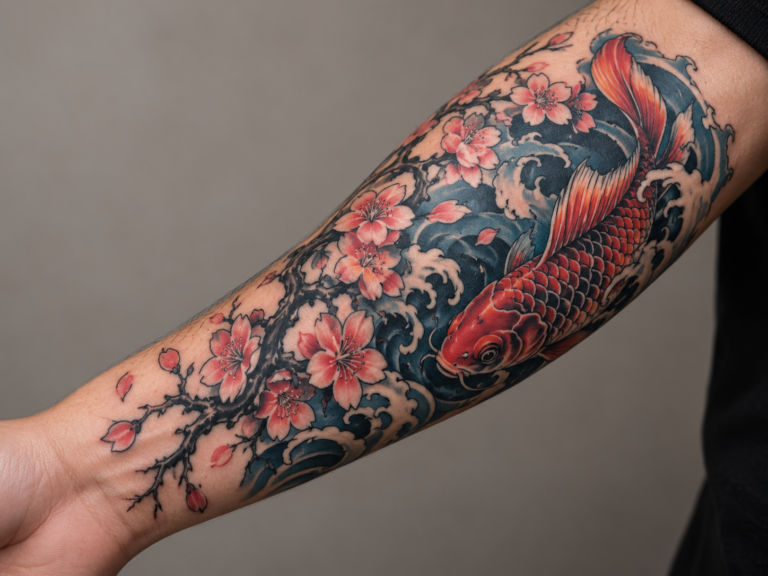
Before you decide on size or placement, it helps to know roughly what style you’re working toward, since style affects both of those decisions. Anime tattoos are usually built around one of a few core techniques: bold blackwork, delicate fine line, or full color. Each behaves differently — blackwork tends to hold its shape longest, fine line reads as more delicate but is more sensitive to how it ages, and color adds vibrancy at the cost of more upkeep over time.
None of the three is objectively better than the others. The right choice depends on the design itself and on how much long-term maintenance you’re willing to take on. A design built around a bold silhouette or a recognizable symbol tends to suit blackwork well, since the technique is built to hold a clean shape indefinitely. A design that depends on soft shading or a specific color palette to feel like the source material usually calls for fine line or color instead, even though both require more attention over the years to stay sharp.
This decision is worth making early, because it changes what you should look for in an artist’s portfolio and what size and placement will actually work for your design.
Getting the Size Right
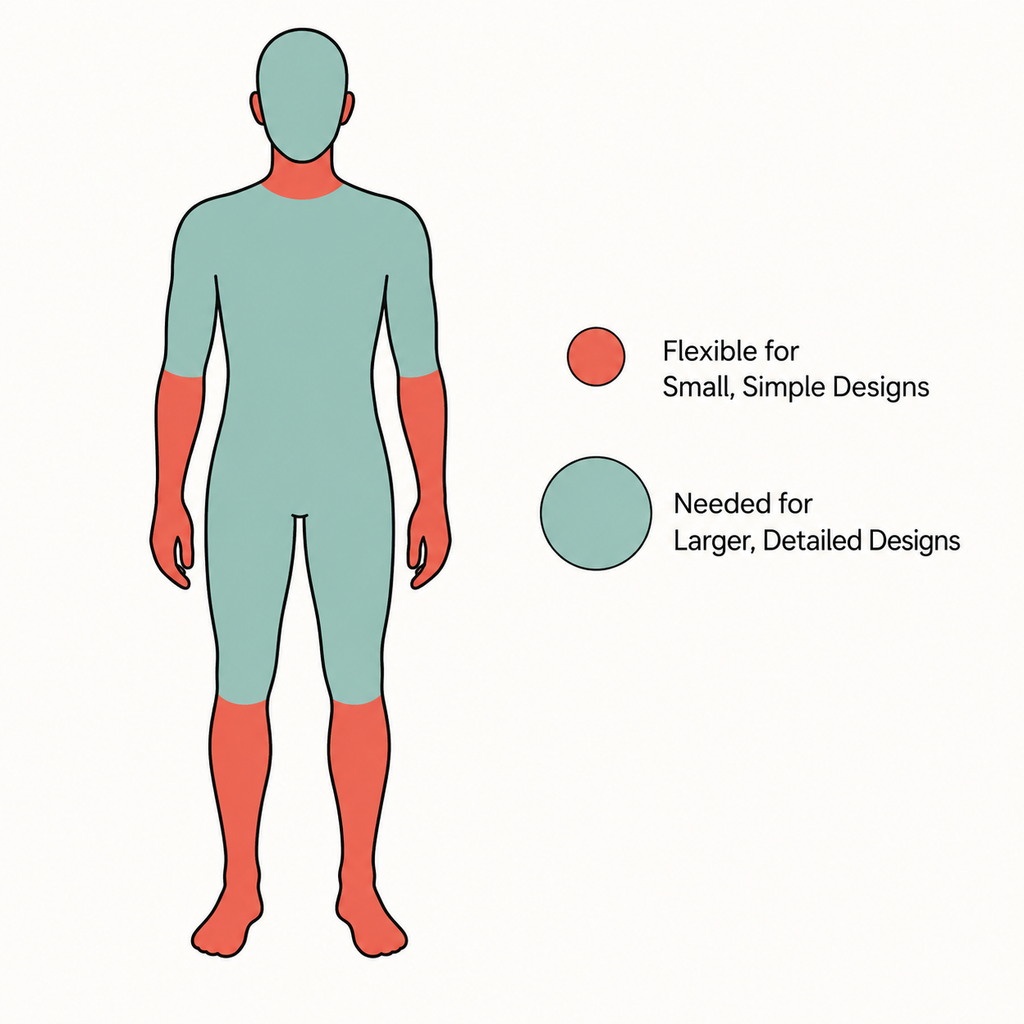
Size and style are connected: how much detail your design carries determines how much space it actually needs to read clearly. A design that looks great as a small reference image can lose its detail entirely at a smaller size, while a simple symbol doesn’t need much room to work.
The general rule is to match the amount of visual information in your design to the amount of space you’re willing to give it. A full-color piece with shading, multiple elements, or a specific facial expression needs enough room for each part to stay distinct — compress it too far and the details blur into each other rather than reading as a coherent image. A minimalist symbol or clean line-art shape doesn’t have that problem, since there’s less detail competing for space in the first place. Going too small with a detailed design usually causes more problems later than starting a size larger than you first planned.
Size and placement are connected too, since some parts of the body simply offer more usable space than others.
How Long It Will Actually Last
Every tattoo changes over time, but anime tattoos in particular can be more sensitive to fading than simpler styles, since they often rely on fine detail and color to read as a specific character or symbol. How well yours holds up depends on a combination of style, size, placement, and how you care for it afterward.
The style decision you make earlier directly affects this one. Bold blackwork tends to age more predictably than fine line or color work, simply because there’s more ink saturation and less fine detail that can blur or soften over the years. That doesn’t mean fine line or color pieces are a bad choice — it means they benefit more from a stable placement and consistent aftercare than a bold, simple design would need.
This isn’t a reason to avoid detailed or colorful designs — it’s a reason to go in with realistic expectations and plan around them.
Where It Goes on Your Body
Placement is its own major decision, and it’s easy to underweight it next to style and size. Where a tattoo sits on your body affects how much it hurts to get, how well it holds up over time, and whether it has enough stable space for your design’s level of detail. A design that would work well on one part of the body can struggle on another, even if the size and style stay exactly the same.
This is where the earlier decisions come full circle. A small, minimalist design built in bold blackwork can go almost anywhere, since it doesn’t need much space and holds up well regardless of movement or friction. A larger, detailed, full-color piece needs a placement with enough flat, stable skin to actually support it long-term — which rules out some spots that would otherwise be tempting for other reasons, like visibility or ease of concealment.
Because placement interacts with everything covered above, it deserves its own dedicated breakdown rather than a quick summary here. See Best Placement for an Anime Tattoo: A Full Guide by Pain, Durability, and Style for the full guide to choosing a placement based on pain tolerance, durability, and how much detail your design needs.
Finding the Right Artist
Once you know roughly what you want, the artist you choose matters as much as the design itself. Look at healed work in their portfolio, not just fresh photos, since that’s what actually shows how their linework and shading hold up over time. Prioritizing an artist with real anime-specific experience over one who only works in a general style will usually make a noticeable difference in the final result.
Preparing for Your Appointment and Aftercare
A little preparation goes a long way. Get a full night’s sleep beforehand, eat a real meal, and stay hydrated — a session is longer and more tiring than most people expect, and showing up tired or hungry makes it harder to sit through. Wear something loose and comfortable that gives your artist easy access to the area you’re getting worked on, and plan to keep the rest of your day light rather than scheduling something demanding right afterward.
Aftercare starts the moment you leave the studio. Follow your artist’s specific instructions, keep the area clean, and avoid direct sun exposure while it heals, since sun is one of the fastest ways to dull color and fine detail. Resist the urge to pick at any flaking or peeling skin as it heals — that’s one of the more common ways people accidentally pull out ink and end up with patchy spots that need a touch-up later.
Pain, healing time, and how a tattoo settles in all vary from person to person, so treat everything in this section as general guidance rather than a guarantee, and check in with a licensed tattoo artist directly if anything about your healing feels off or looks different from what you expected.
FAQ
Will I regret getting an anime tattoo?
Regret is far less about the fact that it’s anime and far more about whether the design has lasting personal meaning to you. Tattoos chosen for a passing trend or someone else’s opinion are the ones people tend to regret, regardless of style or subject matter. A design tied to something that actually matters to you — a story, a character, or a symbol you connect with for reasons that go beyond how popular it is right now — is much more likely to hold up emotionally the same way it holds up on skin. Taking the time to sit with a design idea for a while before committing is a simple, effective way to filter out the choices you’d likely regret later.
How much does an anime tattoo cost?
Cost varies widely and depends on size, detail level, whether it’s color or black-and-white, and your artist’s experience and location — reported ranges run anywhere from roughly $100 for a small, simple design up to $3,000 or more for a large, highly detailed, full-color piece. Small, simple designs tend to sit at the lower end of that range, while large, detailed, or full-color pieces cost significantly more, especially from artists with more experience or demand. There’s no single fair price — get a quote directly from an artist whose work you trust rather than comparing against a number you saw somewhere else.
Should I bring reference images to my tattoo artist?
Yes. Bringing clear reference images helps your artist understand exactly what you’re picturing, especially for anime-style work where small details in expression, color, or line weight matter to whether a design reads correctly. References are there to guide your artist’s own interpretation, not to be copied exactly — a good artist will use them to inform an original design rather than trace them directly, and bringing more than one reference can help communicate the specific details you care most about.