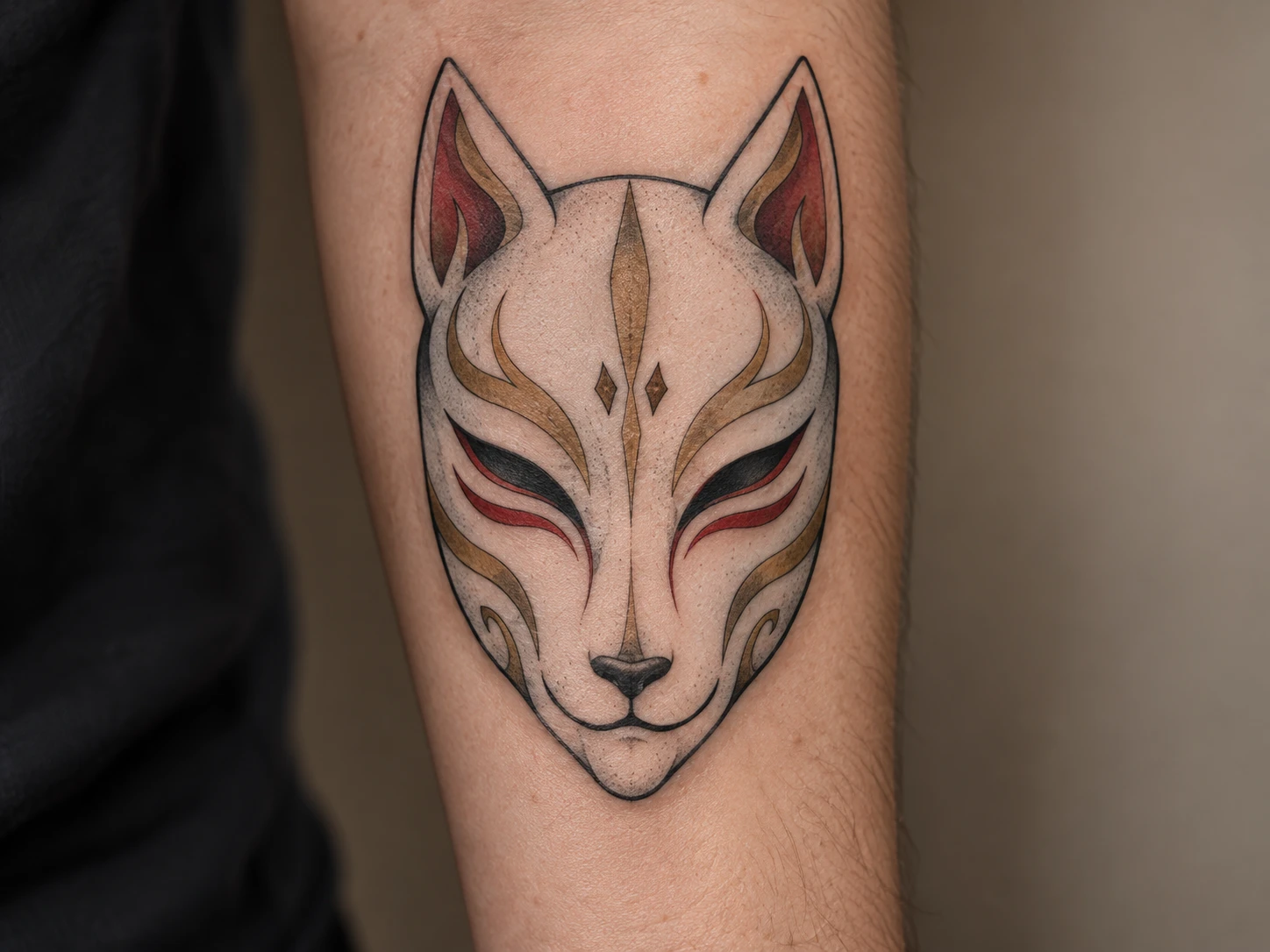
Kitsune Mask Tattoo Meaning: The Fox Spirit’s Duality in Japanese Culture and Anime
A kitsune mask tattoo carries more meaning than most people realize before they book the appointment. The fox spirit at the center of the design shows up constantly in anime symbols and meanings, but its roots go back centuries further, into Shinto belief and Japanese folklore — Britannica’s overview of kitsune covers that trickster-fox lineage in more depth.
What Is a Kitsune? Origins in Japanese Folklore and Shinto Belief
A kitsune is a fox spirit, one of the most recognizable yokai (supernatural beings) in Japanese folklore. Foxes in Japan were never treated as ordinary animals. They were believed to age into something more, gaining intelligence, the ability to shapeshift, and in the oldest stories, extra tails as their power grew.
The strongest cultural thread running through kitsune folklore is the fox’s connection to Inari, the Shinto deity of rice, agriculture, and prosperity. According to Fushimi Inari Taisha, the head shrine of Inari worship in Kyoto, foxes serve as Inari’s messengers, and white fox statues still guard shrine entrances across Japan today. Kokugakuin University’s Encyclopedia of Shinto documents this connection in detail, describing fox messengers, dedicated fox-spirit shrines, and the folk belief that a fox led the rice-paddy kami to the fields each season. A kitsune mask tattoo taps directly into that lineage: prosperity, protection, and a spirit that moves between the human world and the divine.
Britannica describes kitsune as trickster foxes from traditional Japanese folklore and a type of yokai, with abilities such as shape-shifting that are said to grow stronger as they age. Foxes appear as godlike figures in Japanese records as early as the 8th century, in the Nihon shoki. Britannica suggests their sacred status may come from their diet: foxes eat rats and mice and so protect rice crops. Because foxes can also steal food and kill livestock, they appear in folklore as tricksters too.
The good foxes are linked to Inari, the Shinto protector of rice cultivation, who is often shown flanked by servant foxes. Britannica reports more than 30,000 foxes appearing in shrines around Japan. It also says the way good foxes are ranked varies between texts, so the hierarchy of fox types that appears in some articles is not fixed. In anime and manga, it adds, kitsune often look closer to humans, with fox ears as the main sign of their origin. That is useful to know before you decide whether your design follows folklore or a modern character look.
The Two Faces of Kitsune: Zenko (Protector) vs. Yako/Nogitsune (Trickster)
Here’s the part most tattoo guides skip entirely: kitsune folklore splits the fox spirit into two opposing types, and which one you’re inking changes the meaning of the entire piece.
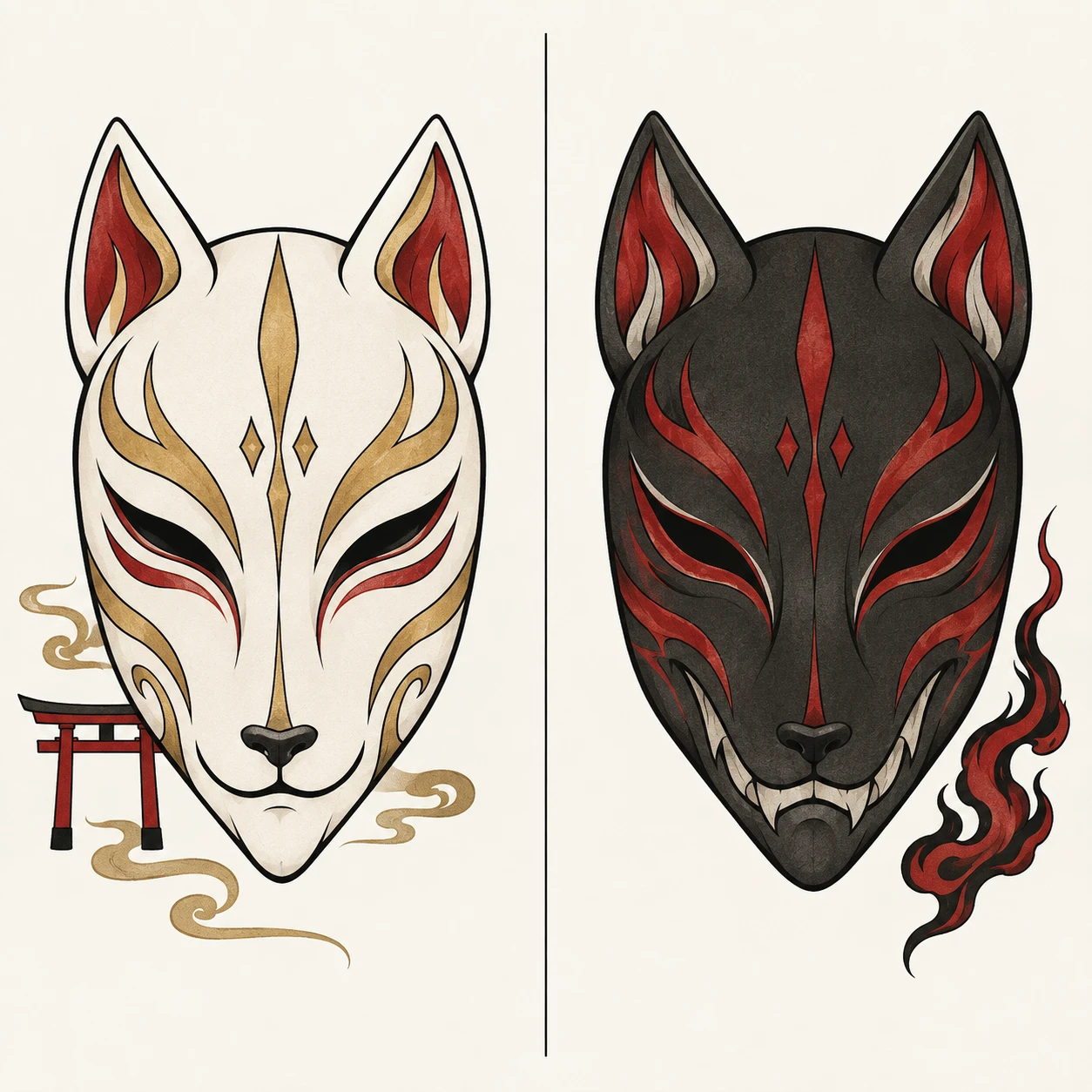
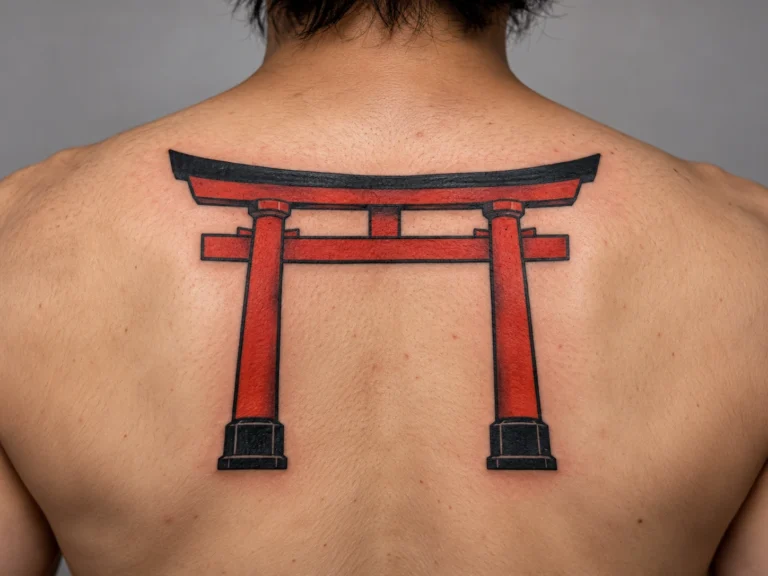
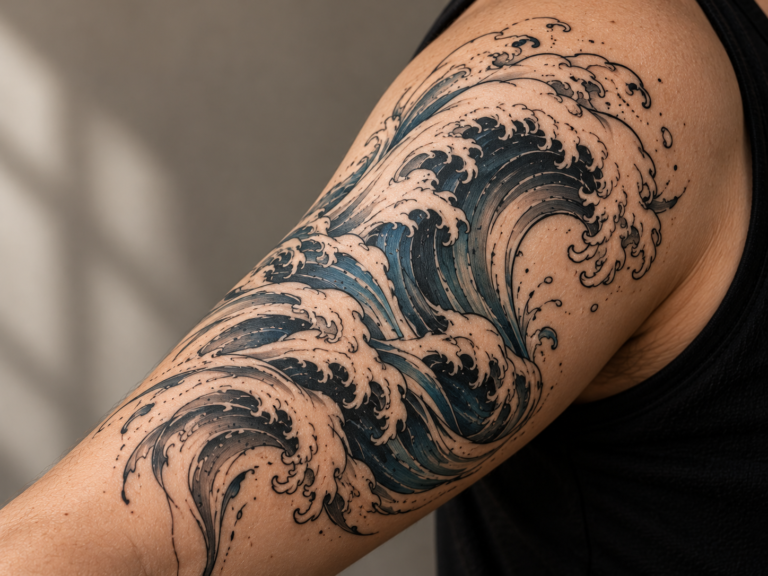
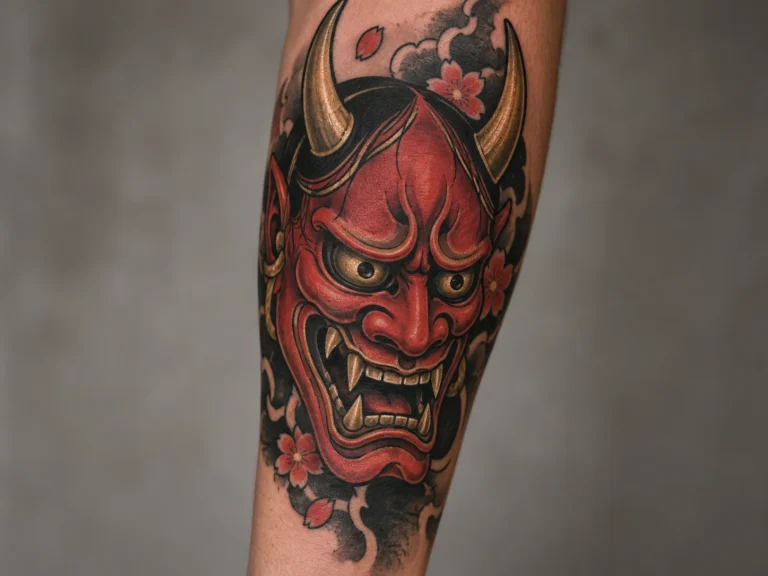
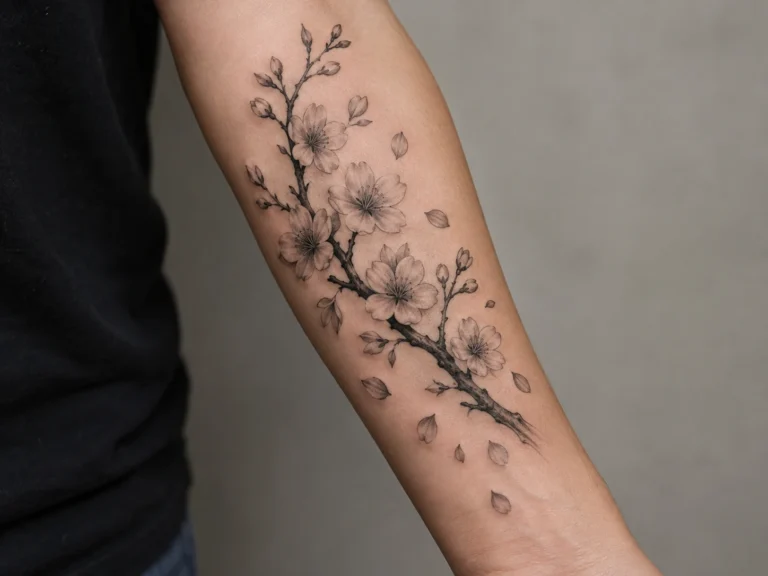
Illustrative concept images: AI-generated artwork created to explore tattoo design ideas. They do not represent verified tattoos performed on real clients.
Zenko (“good fox”) are the benevolent kitsune, serving Inari as messengers and guardians. They protect shrines and households, reward honest behavior, and are traditionally associated with white fur and good fortune. Yako, also called nogitsune (“wild fox” or “field fox”), are the opposite: independent tricksters with no divine service, known for illusions, mischief, and occasionally real malice in older stories. Encyclopedia Britannica describes the two as “diametrically opposed camps,” representing balance rather than a simple good-versus-evil split. The distinction has roots in Edo-period sources, including the fox-classification tradition recorded in Kitsune Monogatari, which ranks zenko by color and status while treating nogitsune as existing outside that hierarchy altogether.
| Zenko (Protector) | Yako / Nogitsune (Trickster) | |
|---|---|---|
| Role | Inari’s messenger, guardian | Independent wild spirit |
| Associated color | White | Often darker or ambiguous |
| Meaning | Protection, prosperity, loyalty | Cunning, unpredictability, transformation |
| Best for | Someone who wants a guardian symbol | Someone drawn to the trickster archetype |
Neither face is “correct.” A kitsune mask tattoo can lean fully into one side or hold both in tension, and that choice is exactly what the rest of this guide helps you make.
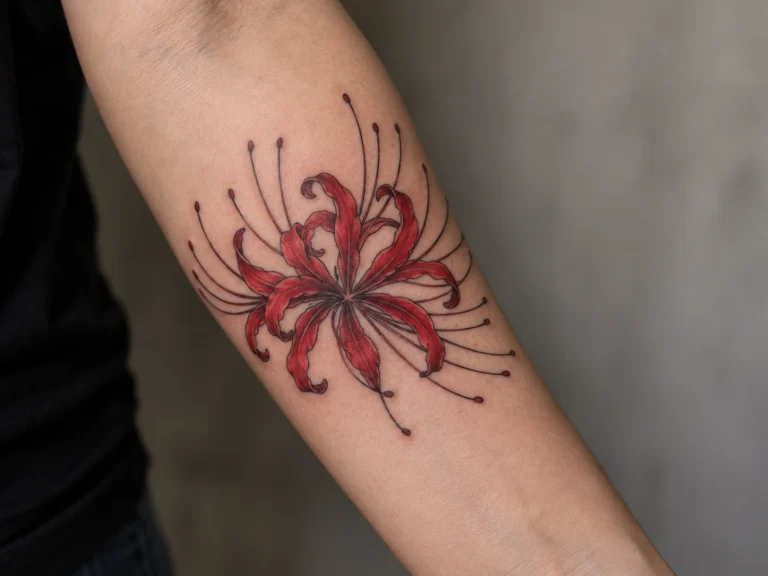
If layered symbolism like this is part of what draws you to anime-inspired tattoos, InkShonen’s guides to the cherry blossom and spider lily tattoos cover two other symbols where the folklore runs deeper than the design first suggests.
Kitsune Masks in Anime
The kitsune mask shows up across anime constantly, and that visual language is a big part of why this design is so popular as a tattoo right now. The clearest example is Kurama, the nine-tailed fox spirit sealed inside Naruto Uzumaki in Naruto — a character whose entire arc plays with the same protector-versus-destructive-force duality that defines real kitsune folklore. Beyond that one series, fox-mask imagery shows up as a recurring visual motif for anime characters coded as spies, assassins, or hidden operatives, most recognizably through ANBU-style fox masks: stylized, angular fox faces used to signal a hidden identity and quiet menace.
A Note on Inspiration vs. Reproduction
Everything in this article describing anime is meant as cultural context, not a blueprint for copying official artwork. InkShonen is not affiliated with Naruto, its creators, or any studio mentioned here, and no tattoo artist should be asked to reproduce copyrighted character art. Use these references to understand why the imagery resonates, then build an original design around that meaning instead of tracing someone else’s work.
Choosing Your Kitsune: Design Elements That Signal Protector vs. Trickster
Once you know which side of the duality you want to express, a few concrete design choices carry that meaning:
- Mask expression. A calm, serene expression reads as zenko. A sharper, more angular or exaggerated grin leans toward yako.
- Tail count and composition. A single fox suggests a younger, more grounded spirit. Multiple tails (the nine-tailed kyuubi being the most recognized variant) signal age and power, and work for either interpretation depending on how the rest of the design frames it.
- Supporting motifs. Pairing the mask with a torii gate or rice sheaves reinforces the Inari-messenger, protector reading. Flame, shadow, or fractured-mask elements push the design toward the wilder, trickster interpretation.
- Color palette. White and gold lean traditional and protective. Deeper reds, blacks, or smoky grays shift the tone toward mischief or menace.
None of these choices are rules. They’re a vocabulary you can use to make sure the finished tattoo actually says what you want it to say.
Placement and Style Pairing for Kitsune Mask Tattoos
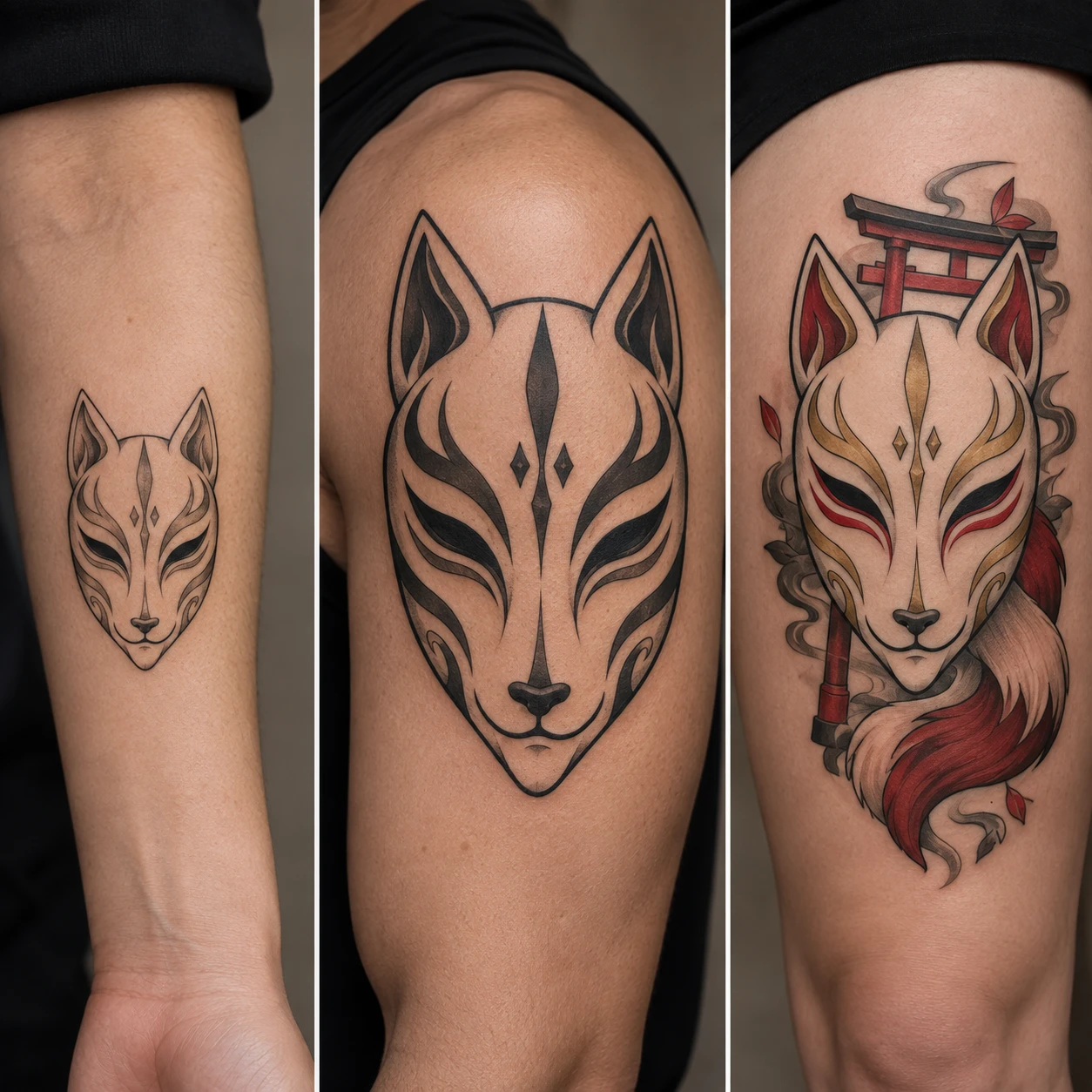
A single kitsune mask works well as a smaller, contained piece: forearm, upper arm, or shoulder blade all give the mask room to read clearly at a normal viewing distance. If you’re building out a fuller fox-spirit scene — the mask alongside tails, torii gates, or a background landscape — a larger canvas like the back, thigh, or full sleeve gives the composition space to breathe.
Style matters just as much as placement. Fine-line work suits a more delicate, protector-leaning zenko design, especially in white-and-gold palettes. Bold blackwork gives a trickster-leaning yako design more visual weight and contrast. Full color brings out the traditional Japanese art influence most clearly, particularly for larger pieces. For a deeper breakdown of how placement affects pain, durability, and long-term looks, see InkShonen’s full guide to placement for anime tattoos.
Is a Kitsune Mask Tattoo Disrespectful?
Kitsune and Inari aren’t just folklore characters — they’re part of a living religious tradition, with Inari shrines still active across Japan today. That doesn’t mean the design is off-limits, but it does mean it’s worth approaching with some awareness. Getting a kitsune mask tattoo to honor the folklore, the artistry, or a genuine connection to the culture is different from treating a sacred symbol like a costume prop with no context behind it. Understanding the Zenko/Yako duality before you get inked, as this guide is meant to help with, is itself a meaningful step toward getting the design right and getting it for the right reasons.
Frequently Asked Questions
What does a kitsune mask tattoo mean?
It represents the kitsune, or fox spirit, from Japanese folklore — a shapeshifting being tied to the Shinto deity Inari. Depending on the specific design, it can symbolize protection and prosperity (zenko) or trickery and transformation (yako/nogitsune).
Is a kitsune good luck or bad luck?
Neither, exclusively. Kitsune folklore holds both possibilities at once: zenko foxes bring good fortune and protection, while yako/nogitsune foxes represent mischief and unpredictability. The meaning depends on which face of the fox spirit the design leans toward.
What is the difference between a kitsune mask and a hannya mask tattoo?
A kitsune mask represents a fox spirit tied to Inari and Japanese folklore, with meanings ranging from protection to trickery. A hannya mask represents a jealous, vengeful female demon from Noh theater. They come from different traditions and carry different symbolism, even though both are popular Japanese mask tattoo designs.
What does a nine-tailed fox tattoo mean?
A nine-tailed fox, or kyuubi, represents a kitsune at its highest level of age and spiritual power. It can carry either the protector or trickster meaning depending on the rest of the design, but the extra tails always signal greater strength and significance than a single-tailed fox.
Is it disrespectful to get a kitsune tattoo if you are not Japanese?
Not inherently, as long as the design is approached with genuine interest in the culture and folklore behind it rather than as a decorative afterthought. Learning what the symbol actually represents, as this guide covers, is the difference between appreciation and treating a living religious tradition as a costume.
This article covers cultural and design information only. It isn’t tattoo-artist or medical advice — talk to a licensed, experienced artist about what will and won’t work for your skin, size, and placement.