Does an Anime Tattoo Hurt? What to Expect and How to Plan for It
Does an anime tattoo hurt? Yes, about as much as any tattoo does, and often less than people fear. Anime-style work has no pain profile of its own. What changes the experience is where the piece goes, how much line, color and detail it carries, and how long you sit for it.
It stays on one question: comfort. For the full picture of everything else you will weigh before booking, start with What to Know Before Getting an Anime Tattoo, and browse the Tattoo Guides category page for the rest of our planning guides.
Does an Anime Tattoo Hurt More Than Other Tattoos?
No tattoo style comes with its own pain rating, and anime tattoo pain works the same way as pain from any other design. It is personal and subjective. Two people can get the same piece in the same place and describe it very differently, and your own tolerance can change from one day to the next.
Most people describe the feeling as scratching, vibrating or a hot sting rather than something unbearable. Many also find it easier after the first few minutes, as the body adjusts. The anticipation is often worse than the tattoo itself.
What anime tattoos do change is the kind of piece you tend to choose: crisp outlines, color fills and fine detail. Those choices affect how long the session runs, and that is often what you feel most. The sections below take each factor in turn.
Where on the Body an Anime Tattoo Hurts More and Less
Placement usually matters more than style. Areas tend to feel more intense when the skin is thin, the spot sits directly over bone, nerve endings are dense or the muscle underneath is sensitive. Areas with more muscle and fewer nerve endings are usually easier.
Here is one common way to group the spots:
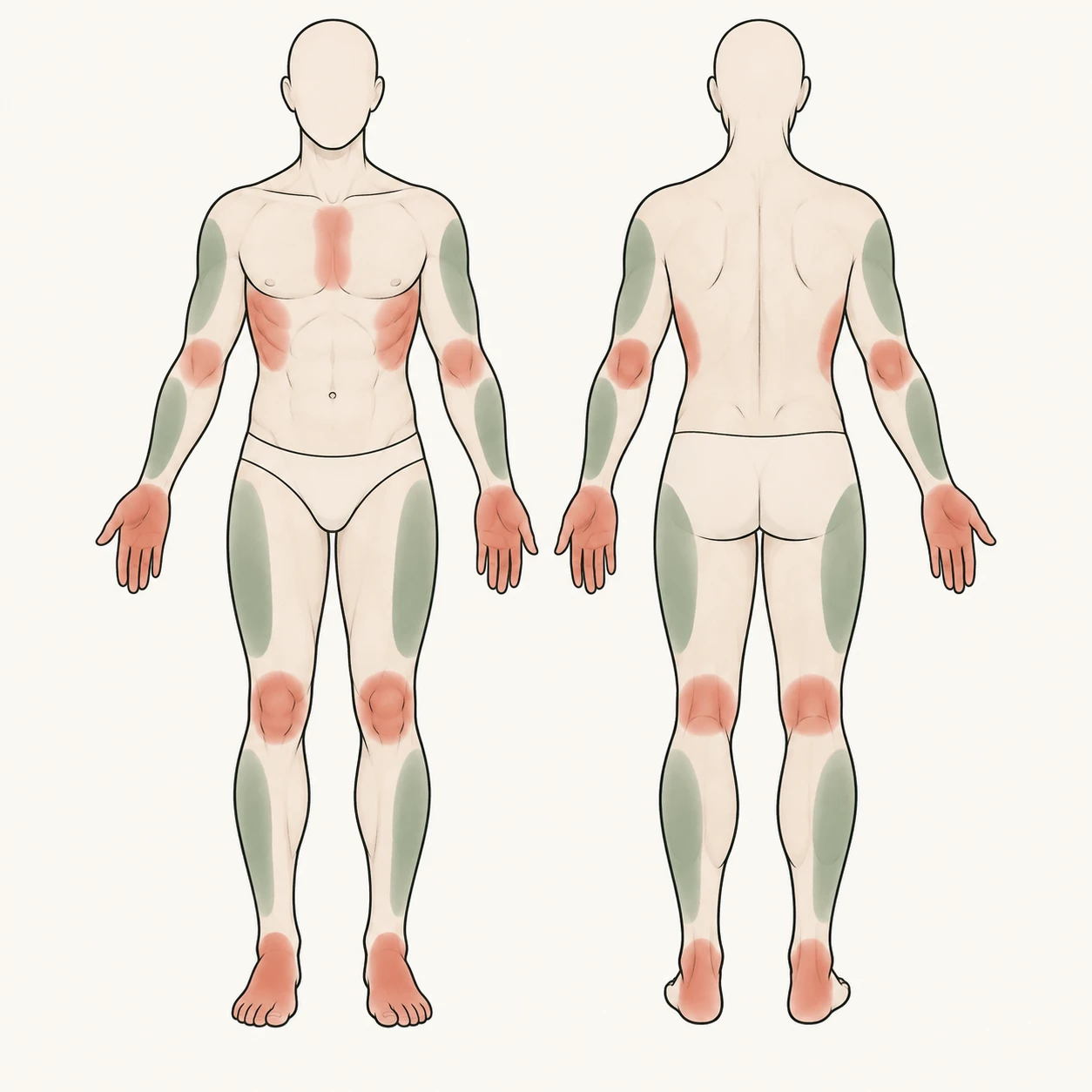
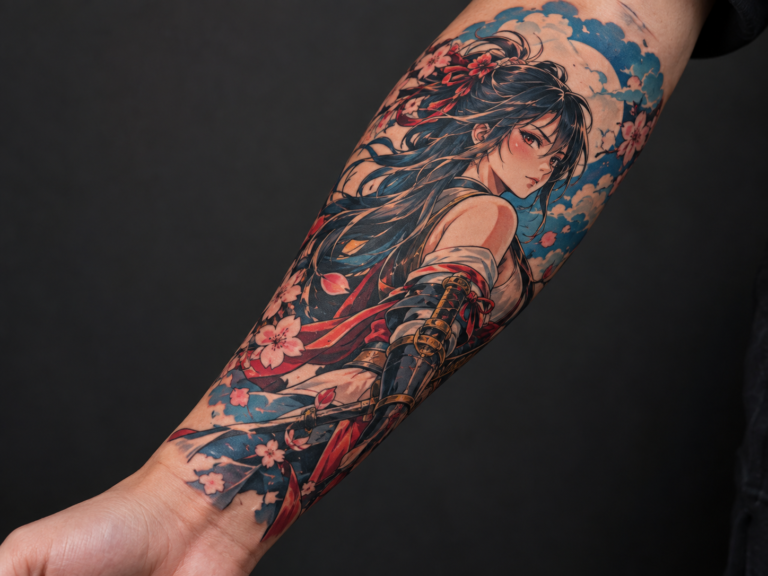
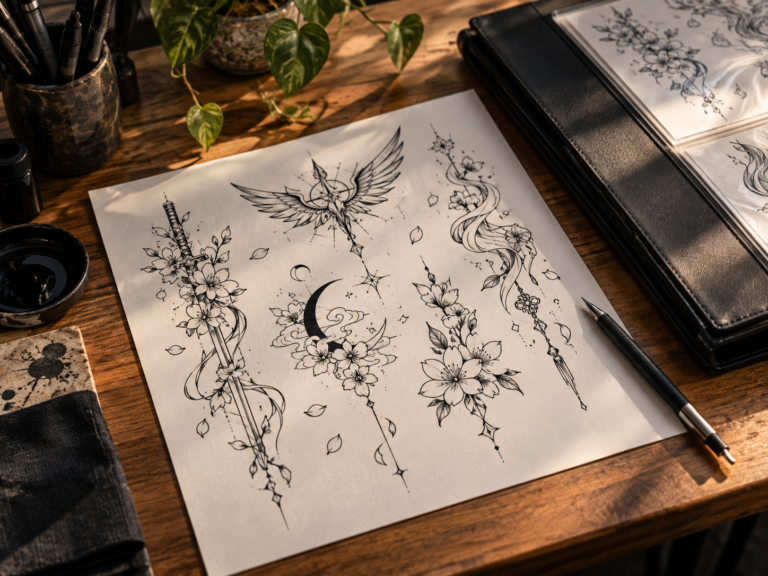
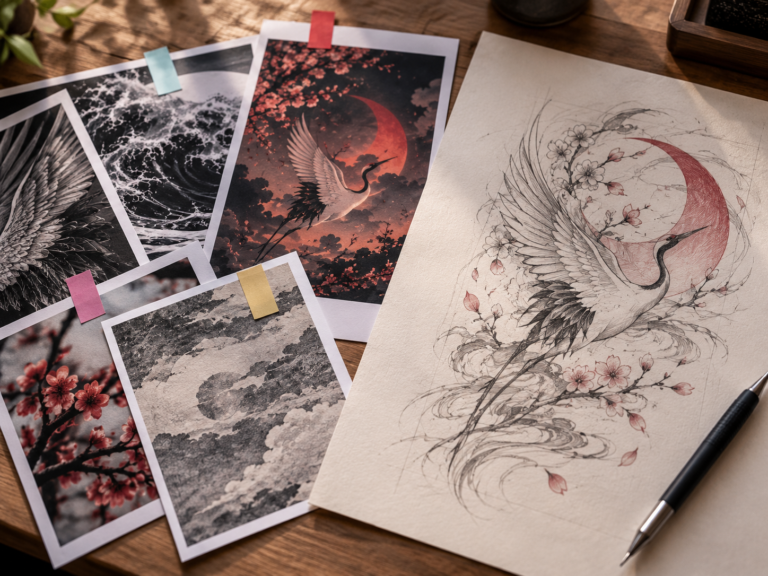
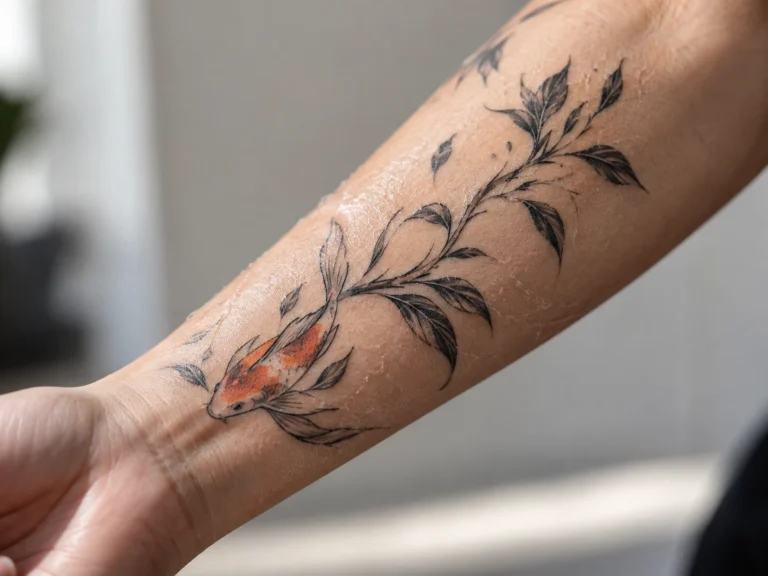
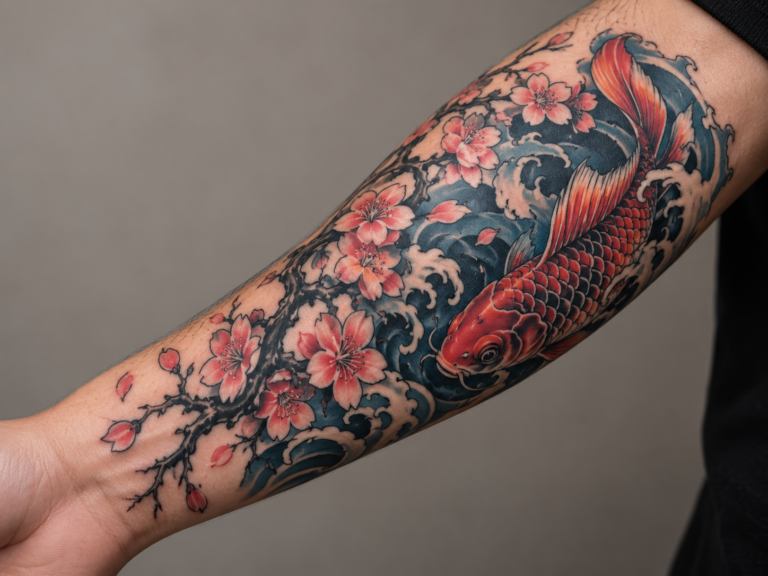
Illustrative concept images: AI-generated artwork created to explore tattoo design ideas. They do not represent verified tattoos performed on real clients.
| Area | Typical sensitivity | Why | Best suited anime styles |
|---|---|---|---|
| Outer upper arm, forearm, outer thigh, calf | Usually easier | More muscle and padding, fewer nerve endings | Character portraits, color pieces and larger linework |
| Wrist, ankle, chest | Moderate | Thinner padding in places; the chest gets more sensitive near the sternum | Small symbols and simple linework; the chest also suits bold, central pieces |
| Collarbone, behind the ear | Often more intense | Thin skin close to bone | Small fine-line or minimalist designs |
| Ribs, sternum, spine, hands, feet, elbows, knees, armpit | Usually the hardest | Thin skin over bone, dense nerve endings, or both | Simple, bold designs and shorter sessions |
Treat any list as a rough guide. Charts and artists disagree, and your own body may not follow them. A common question is how painful is an anime tattoo on one particular spot, and the most useful step is to ask your artist how that area tends to feel for their clients.
If this is your first tattoo, the least painful place for an anime tattoo is usually one of the easier areas above. A forearm or outer thigh also gives a design room to breathe, which helps clean lines and color read well.
How Linework, Color and Detail Change the Experience
Anime tattoos range from clean outlines to full-color pieces with shading and fine detail. A simple outline generally means less time in the chair than dense color fill or heavy shading, so the same design drawn as linework is often the easier session. Fine detail asks for slow, careful work, which also adds time. There is no official ranking of tattoo types, so the most painful type of tattoo is usually the one that combines a sensitive spot with dense color, heavy shading or a long session.
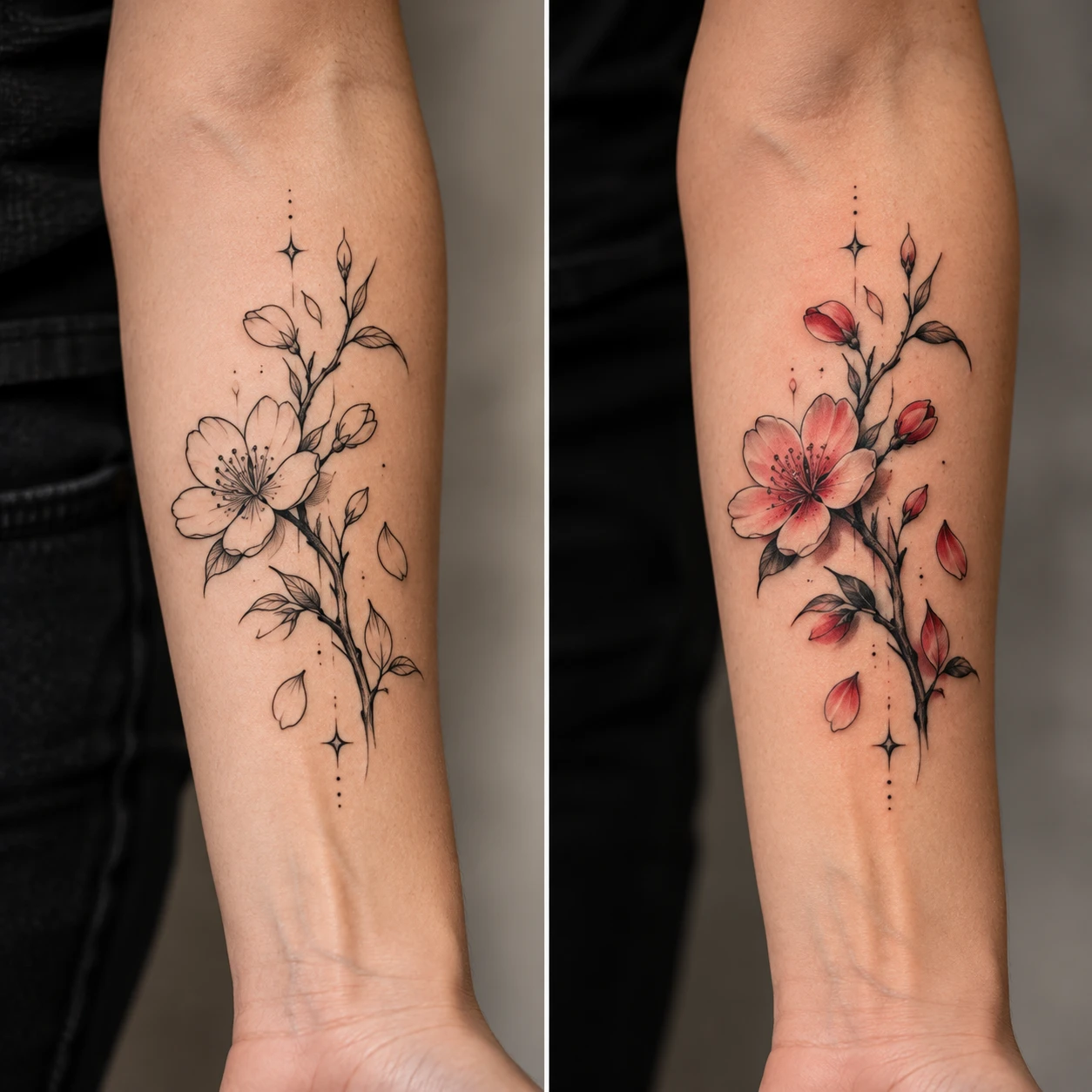
If you want a design on a sensitive area, you have options. Ask your artist whether a simplified version, fewer color areas or detail added in a second session would keep it manageable. A good artist will tell you honestly what can be simplified without losing what you love about the design.
For how these choices also affect size and price, see How Much Does an Anime Tattoo Cost? A Size, Style, and Color Breakdown.
How Session Length and Size Affect Comfort
Smaller pieces are usually shorter sessions, and shorter sessions are easier to get through. Time under the needle adds up: the longer you sit, the more tired and sore you are likely to feel, even on a part of the body that is normally comfortable.
Large anime pieces such as sleeves are rarely finished in one sitting. If comfort matters to you, ask how long the artist expects each session to run and whether the piece can be split into shorter ones. Many artists plan large work this way already.
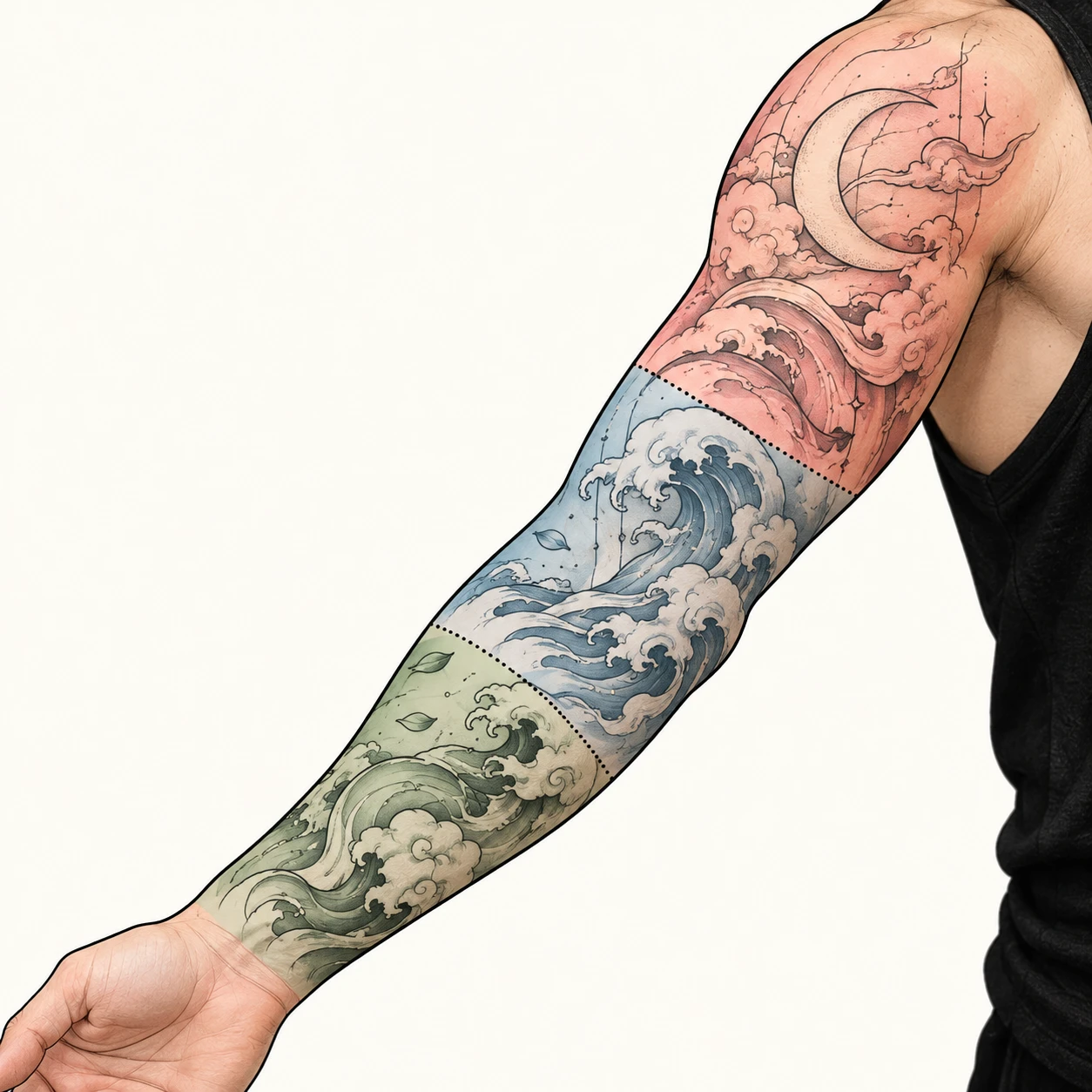
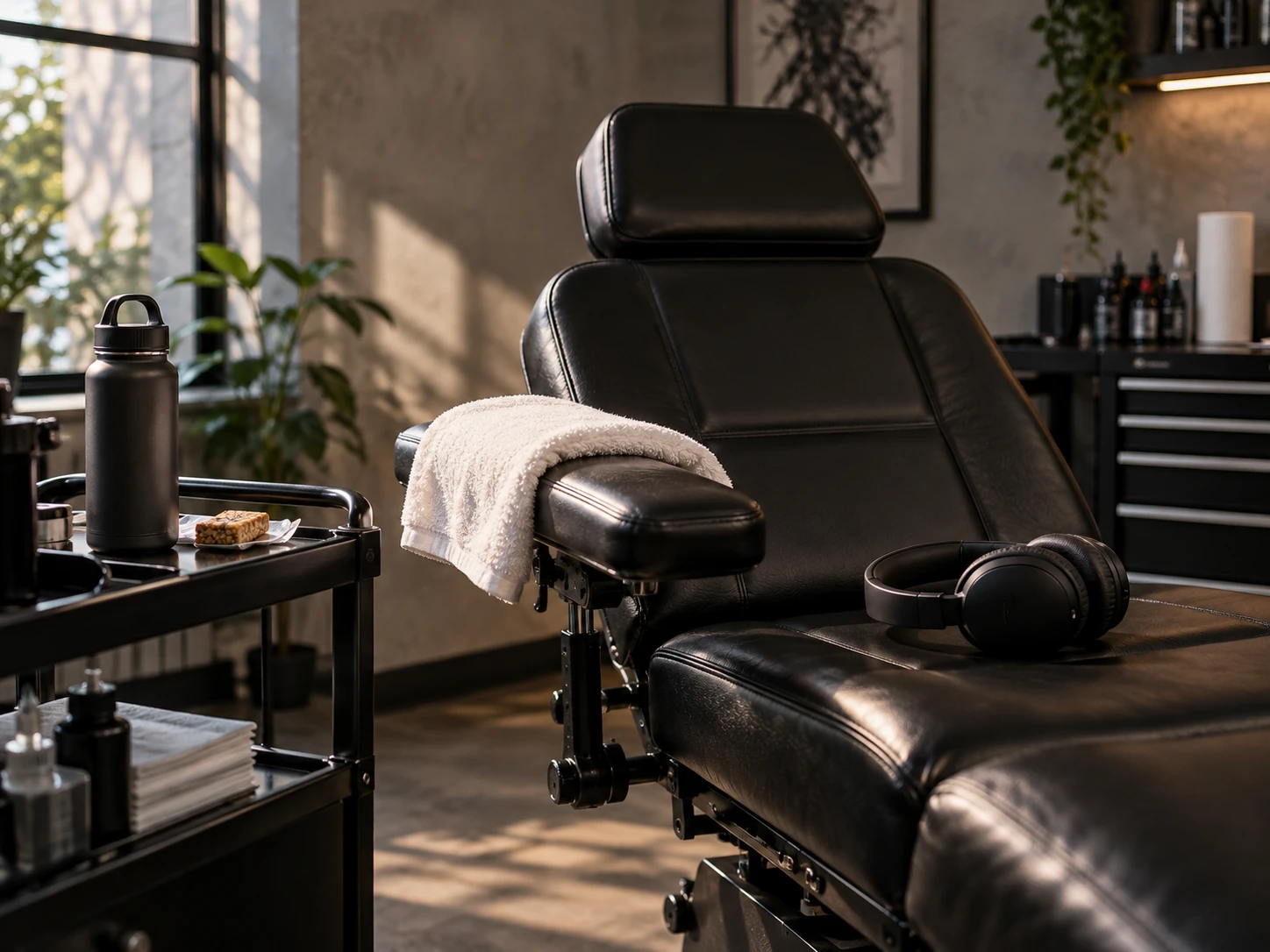
Tell your artist if you need a break at any point. Pausing to stretch, drink water and breathe is a normal part of a long session.
How to Prepare So the Session Feels Easier
Preparation will not remove the feeling, but it helps you handle it. A few simple habits make a difference:
- get a good night’s sleep before your appointment
- eat a proper meal and drink water beforehand
- if you are sensitive to caffeine, consider skipping it, since it can make nerves worse
- wear comfortable clothes that give the artist easy access to the area
- arrive early enough to settle in rather than rushing
- skip alcohol and recreational drugs; Mayo Clinic advises against getting a tattoo if you have been drinking or using drugs
Two questions are best settled with your artist before the day. First, ask about numbing creams, because they are not right for every tattoo or every artist and some products can affect tattooing and healing. Second, ask before taking any painkiller, because some medications, such as aspirin, can thin the blood, and many artists ask clients to avoid them before a session. If you take prescribed blood thinners, tell your artist and check with your doctor.
If you are considering an over-the-counter numbing product, check with your artist and a pharmacist or doctor first. The FDA has warned consumers to avoid topical pain-relief products containing more than 4% lidocaine, including some marketed for tattooing, and not to apply these products over large areas of skin, on broken skin or under plastic wrap, because of risks such as irregular heartbeat, seizures and breathing difficulties.
Anxiety matters too. When you are nervous, your muscles tense and you notice sensations more. Slow, steady breathing and a clear idea of what will happen can calm you down.
What to Do During the Session
Once the session starts, a few habits keep it manageable. Breathe slowly and steadily, and let your shoulders drop. Listening to music can help you settle. Talk to your artist about how you feel, because they would rather pause than have you push through.
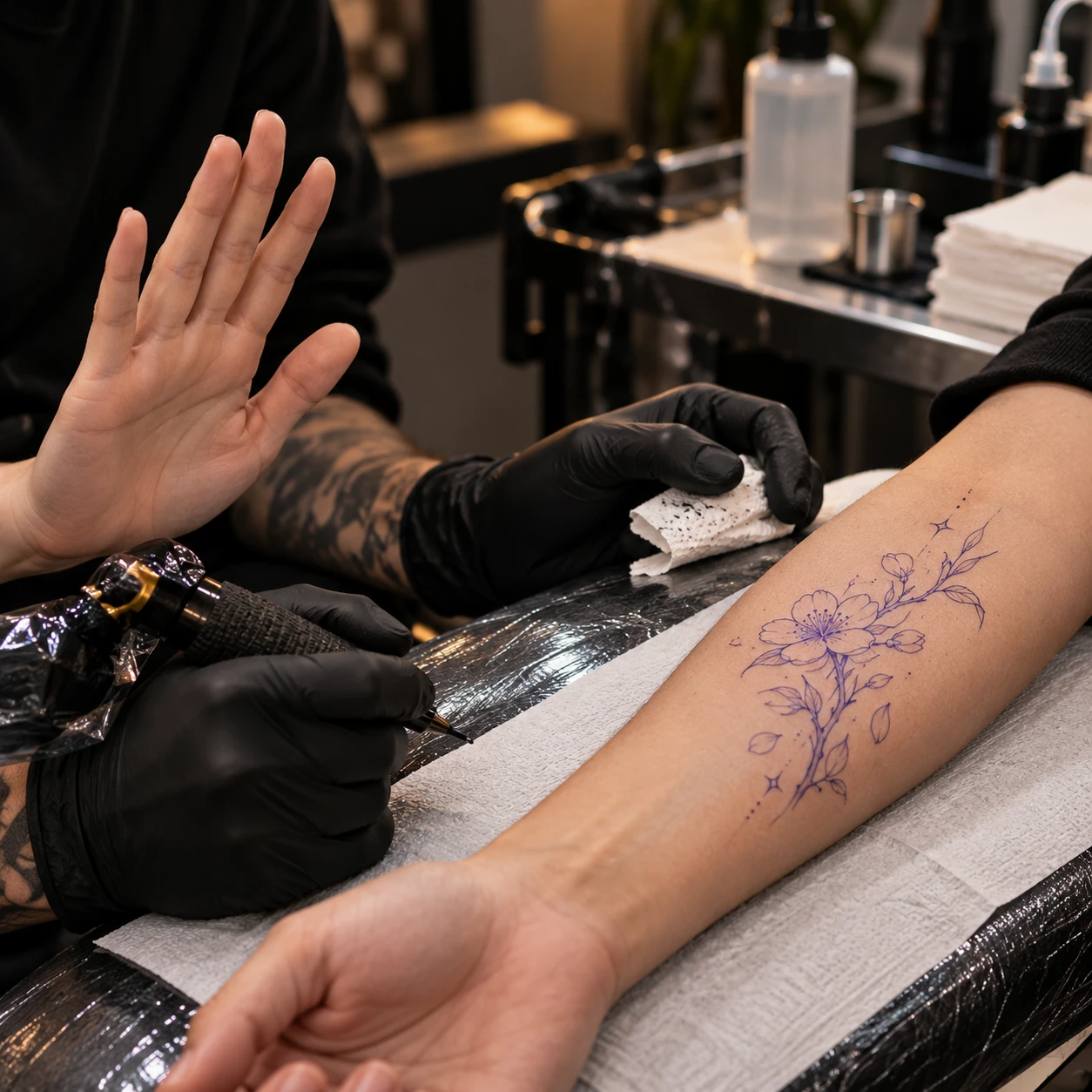
If the pain becomes too much, say so and take a break. It is temporary, and a short pause often makes the rest of the session easier. When it is over, soreness is normal while your skin recovers. For what happens after you leave the chair, our Anime Tattoo Aftercare: The Complete Healing and Color-Care Guide explains how to care for the tattoo so it heals well.
This article is general guidance, not medical advice. Always consult a licensed tattoo artist about your own design, skin and health, and check your local rules for what studios must follow.
Frequently Asked Questions
What are the top 3 most painful places to get a tattoo?
The ribs, sternum, hands, feet, elbows and knees come up again and again as sensitive areas, mostly because of thin skin, nearby bone and many nerve endings. Lists differ, though, so there is no fixed top three. Ask your artist how your chosen spot tends to feel.
How painful is a tattoo on a scale of 1 to 10?
Pain is personal, so a single number is not reliable: it changes with placement, design, session length and how you feel that day. Most people describe a scratching, vibrating or hot stinging sensation rather than a score. Instead of looking for a rating, ask your artist to describe what you will feel in the area you have chosen.